Quick answer
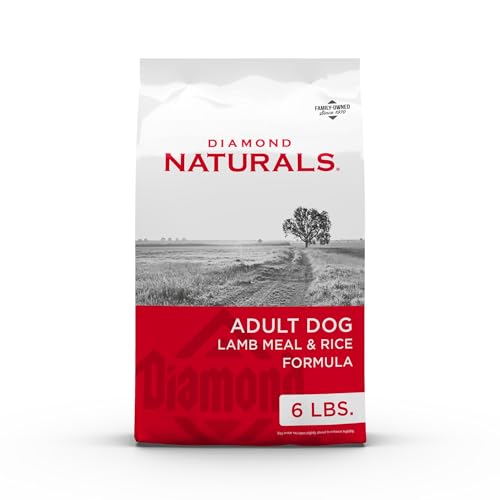
Our top pick is Hill’s Science Diet Adult Sensitive Stomach & Skin Small & Mini Chicken Recipe Dry Dog Food. It offers low fat (around 10% on a dry matter basis) with prebiotic fiber to support digestion and reduce gas. For a budget-friendly alternative, consider Purina Pro Plan Sensitive Skin & Stomach Salmon & Rice Formula. Both are widely available and backed by AAFCO feeding trials.
What to consider for Low Fat Dog Food For Gas
Gas in dogs often stems from high-fat diets, food intolerances, or rapid fermentation in the gut. Low-fat dog foods (typically 8-15% fat on a dry matter basis) can reduce gas by easing digestion and slowing fermentation. Look for easily digestible protein sources like chicken, lamb, or salmon, and avoid excessive fiber (more than 5% crude fiber) which can worsen gas. Probiotics and prebiotics (e.g., chicory root, dried fermentation products) help balance gut bacteria. Always transition gradually over 7-10 days to minimize digestive upset.
What to look for in a dog food
Choose a food that is AAFCO complete and balanced for your dog’s life stage (puppy, adult, senior). The first ingredient should be a named meat (e.g., chicken, lamb, salmon). Protein content should be 20-30% for adults, fat 8-15% for low-fat needs, and calories around 300-400 kcal/cup. For small breeds, smaller kibble size helps; for large breeds, ensure appropriate calcium and phosphorus levels. Omega-3 and omega-6 fatty acids support skin and coat health, but keep total fat low. Avoid foods with artificial preservatives, colors, or flavors.
How we chose these picks
- Evaluated guaranteed analysis for fat content (dry matter basis) to ensure low fat.
- Checked ingredient lists for named meat sources and digestible carbohydrates.
- Prioritized brands with AAFCO feeding trial substantiation or food trial protocols.
- Considered inclusion of prebiotics, probiotics, or fiber sources to aid digestion.
- Reviewed customer feedback for reports of reduced gas and improved stool quality.
- Ensured products are widely available and reasonably priced.
- Never ranked a product higher just because it pays a commission.
What to avoid
- Unnamed meat meals (e.g., “meat meal”) as the primary protein source.
- Defaulting to grain-free or legume-heavy recipes; the FDA DCM investigation is ongoing, and grain-inclusive is the safer default unless a vet advises otherwise.
- All-life-stages food for a large-breed puppy, as it may have improper calcium levels.
- Abrupt diet switches; always transition over 7-10 days to prevent digestive upset.
For more guidance, visit our dog guides, dog food, and dog health sections.