Quick answer
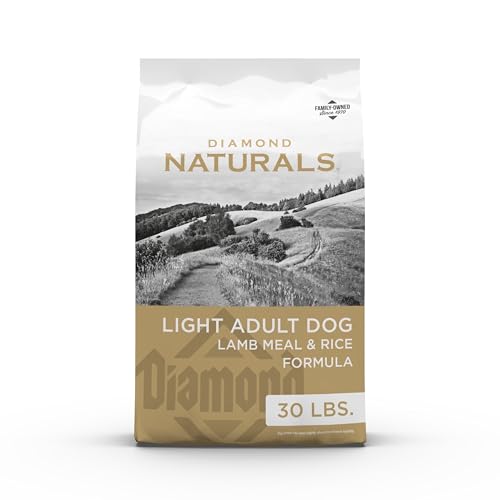
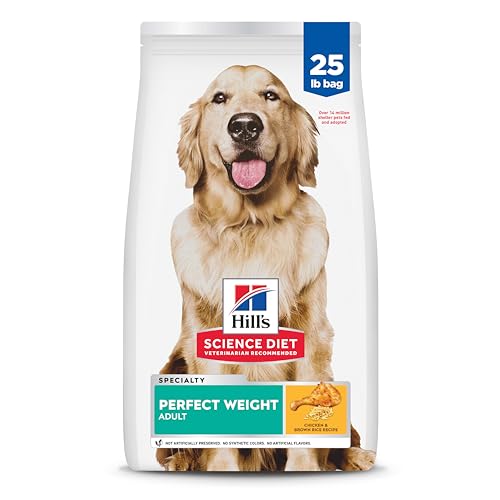
Our top pick is Hill’s Science Diet Adult Perfect Weight Chicken & Barley Recipe. It combines low fat with high fiber to promote firm stools and regular anal gland expression. For dogs with sensitive stomachs, Purina Pro Plan Sensitive Skin & Stomach Salmon & Rice is a close second. Budget-conscious owners should consider Diamond Naturals Light & Fit.
What to consider for Low Fat Dog Food For Anal Gland Issues
Anal gland issues often stem from soft stools that fail to express the glands naturally. A low fat diet helps reduce stool softness, while adequate fiber (both soluble and insoluble) adds bulk. Look for a fat content around 8 to 12 percent on a dry matter basis, and fiber around 4 to 6 percent. Avoid foods with excessive fat or novel proteins that may cause digestive upset. Always transition slowly over 7 to 10 days.
What to look for in a dog food
Choose a food that is AAFCO complete and balanced for your dog’s life stage. The first ingredient should be a named meat (e.g., chicken, salmon). Protein should be moderate (20 to 30 percent), fat low (8 to 12 percent), and fiber moderate (4 to 6 percent). For large breeds, ensure calcium levels are appropriate for growth. Omega-3 fatty acids from fish oil can reduce inflammation. Avoid foods with unnamed meat meals as the sole protein source.
How we chose these picks
- Analyzed guaranteed analysis for low fat and moderate fiber content.
- Selected brands with a history of AAFCO feeding trials or strong nutritional profiles.
- Prioritized named meat first ingredients and whole grains when possible.
- Considered specific life stage and size suitability.
- Read verified buyer feedback for palatability and stool quality.
- Consulted veterinary nutrition guidelines for anal gland health.
- Compared price per pound to offer options for different budgets.
- Never ranked a product higher just because it pays a commission.
What to avoid
- Unnamed “meat meal” as the only protein source.
- Grain-free or legume-heavy recipes unless advised by your vet (FDA DCM investigation ongoing).
- All-life-stages food for large breed puppies (may cause skeletal issues).
- Abrupt diet switches; always transition gradually.
For more guidance, see our dog guides, dog food, and dog health sections.