Quick answer
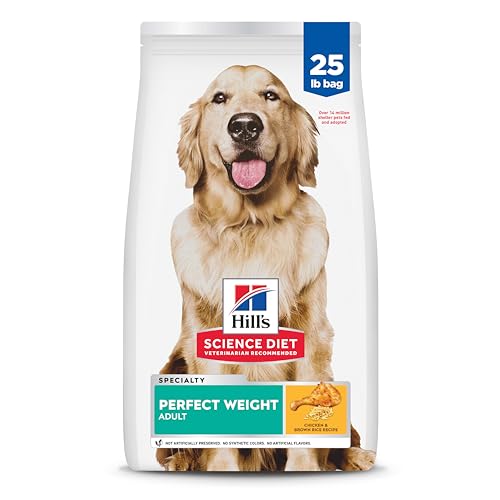
Our top pick is Purina Pro Plan Weight Management Chicken & Rice Formula. It offers controlled fat (10% min) and calories while providing high-quality protein for lean muscle. For Aussies with sensitive stomachs, Hill’s Science Diet Perfect Weight is a close second. If you’re on a budget, Diamond Naturals Light & Fit delivers solid nutrition at a lower price.
What to consider for Low Fat Dog Food For Australian Shepherds
Australian Shepherds are active, intelligent dogs prone to obesity if overfed. A low-fat diet helps maintain a healthy weight without sacrificing energy. Look for fat levels around 8 to 12% on a dry matter basis and calories under 350 kcal per cup. Joint support (glucosamine, omega-3s) is crucial for this breed’s hip and elbow health. Also, ensure the food meets AAFCO standards for adult maintenance or all life stages, with a named animal protein as the first ingredient.
What to look for in a dog food
When selecting a low-fat dog food for your Australian Shepherd, prioritize an AAFCO statement confirming it’s complete and balanced for your dog’s life stage. The first ingredient should be a named meat source (e.g., chicken, lamb, salmon). Aim for protein around 20 to 30%, fat 8 to 12%, and fiber 4 to 6% to promote satiety. Calories should be under 350 per cup. Consider large-breed formulas if your Aussie is over 50 pounds, as they often include joint-supporting glucosamine and chondroitin. Omega-3 fatty acids from fish oil or flaxseed help maintain skin and coat health. Avoid foods with excessive carbohydrates or fillers.
How we chose these picks
- Evaluated fat content and calorie density to ensure low-fat suitability.
- Verified AAFCO nutritional adequacy statements for the correct life stage.
- Prioritized named meat protein sources as the first ingredient.
- Considered inclusion of joint-supporting ingredients like glucosamine and omega-3s.
- Reviewed customer feedback for palatability and digestive tolerance.
- Selected products from reputable brands with rigorous quality control.
- Compared price per pound to offer options for different budgets.
- Never ranked a product higher just because it pays a commission.
What to avoid
- Avoid foods with an unnamed “meat meal” as the only protein source; it can be low-quality or inconsistent.
- Do not default to grain-free or legume-heavy recipes unless your veterinarian advises it; the FDA continues to investigate a potential link to canine dilated cardiomyopathy (DCM). Grain-inclusive diets are generally safer.
- Steer clear of all-life-stages formulas for large-breed puppies; they may have improper calcium-to-phosphorus ratios that affect bone development.
- Avoid abrupt diet switches; transition over 7 to 10 days by mixing increasing amounts of new food with old to prevent digestive upset.
For more guidance, explore our dog guides, dog food, and dog nutrition resources.