Quick answer
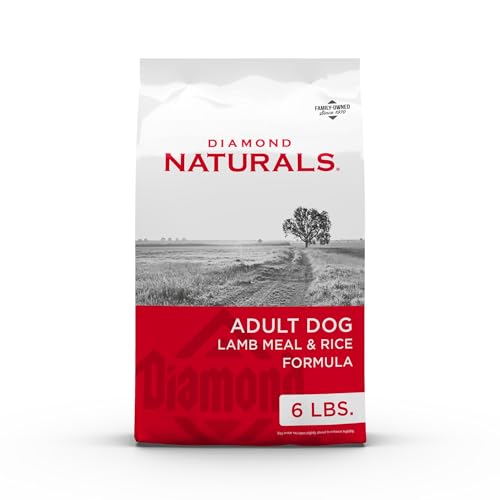
Our top pick is Purina Pro Plan Large Breed Adult Chicken & Rice Formula. It offers balanced nutrition with glucosamine for joint health and a digestible recipe ideal for rescue dogs adjusting to a new diet. For sensitive stomachs, Hill’s Science Diet Large Breed Adult Sensitive Stomach & Skin is a strong alternative. For budget-conscious owners, Diamond Naturals Large Breed Adult Real Meat Recipe provides quality ingredients at a lower price.
What to consider for Large Breed Dog Food For Rescue Dogs
Rescue dogs often arrive with unknown dietary histories, stress-related digestive issues, and potential weight or joint problems. Large breeds are prone to hip dysplasia, arthritis, and obesity, so choosing a food with controlled calories, optimal protein (22 to 26 percent), moderate fat (10 to 15 percent), and added joint supplements like glucosamine and chondroitin is crucial. A gradual transition over 7 to 10 days helps avoid gastrointestinal upset. Always consult your veterinarian to tailor the diet to your dog’s specific health status.
What to look for in a dog food
Look for an AAFCO statement confirming the food is complete and balanced for the appropriate life stage (adult or all life stages). The first ingredient should be a named protein source like chicken, lamb, or fish. Protein levels around 22 to 26 percent and fat around 10 to 15 percent are typical for large breed adults. Ensure the kibble size is appropriate for large jaws to encourage chewing. Added glucosamine and chondroitin support joint health, while omega-3 fatty acids from fish oil promote skin and coat health. Avoid foods with excessive calcium for large breed puppies, as rapid growth can exacerbate skeletal issues.
How we chose these picks
- We evaluated products based on ingredient quality, nutritional adequacy, and brand reputation.
- We prioritized foods with named meat as the first ingredient and appropriate protein and fat levels for large breeds.
- We considered the presence of joint-supporting nutrients like glucosamine and chondroitin.
- We looked for digestible recipes suitable for dogs with unknown dietary backgrounds.
- We included options at various price points to serve different budgets.
- We favored brands that meet WSAVA guidelines for nutritional expertise and quality control.
- We reviewed customer feedback for palatability and digestive tolerance in large breed rescue dogs.
- Never ranked a product higher just because it pays a commission.
What to avoid
- Unnamed meat meals (e.g., poultry meal) as the primary protein source, as they may be lower quality.
- Grain-free or legume-heavy recipes unless recommended by a veterinarian, due to the ongoing FDA investigation into a potential link with canine dilated cardiomyopathy (DCM).
- All-life-stages foods for large breed puppies, as they may contain excess calcium and calories that promote rapid growth and skeletal problems.
- Abrupt diet switches; always transition over 7 to 10 days to avoid digestive upset.
For more guidance, visit our dog guides and explore dog food and dog nutrition resources.