Quick answer
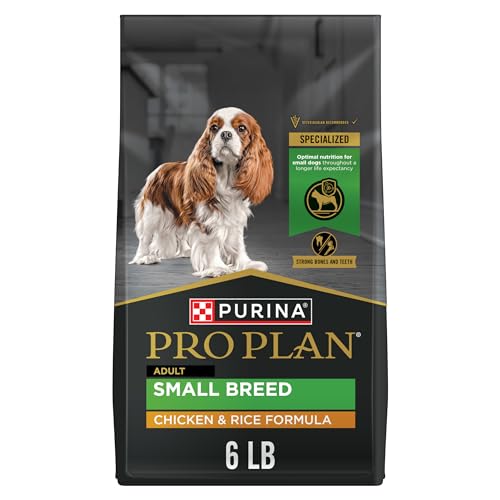
Our top pick is Royal Canin Boxer Adult Dry Dog Food, designed specifically for Boxers with a unique kibble shape to encourage chewing and a precise nutrient profile for heart and joint support. For a more budget-friendly option, Purina Pro Plan Small Breed Chicken & Rice Formula offers excellent nutrition at a lower price point. If your Boxer has a sensitive stomach, Hill’s Science Diet Small & Mini Breed Sensitive Stomach & Skin provides gentle digestibility.
What to consider for Small Breed Dog Food For Boxers
Boxers are a brachycephalic breed with a deep chest and a tendency toward bloat and heart issues. Even though they are considered a large breed, many Boxers thrive on small breed formulas due to their higher metabolism and smaller kibble size, which is easier for them to eat. Look for controlled calcium levels for proper bone development in puppies, and adequate protein (25 to 30 percent) to support their muscular build. Omega-3 fatty acids from fish oil help maintain a healthy coat and reduce inflammation. Avoid excessive fat to prevent obesity, as Boxers can be prone to weight gain.
What to look for in a dog food
Choose a food that is AAFCO complete and balanced for the appropriate life stage (puppy, adult, or senior). The first ingredient should be a named meat source such as chicken, lamb, or fish. For small breed Boxers, protein should be around 25 to 30 percent, fat around 12 to 18 percent, and calories between 350 to 450 kcal per cup. Small breed kibble size is important for easy chewing. Look for added glucosamine and chondroitin for joint health, and omega-3 fatty acids for skin and coat. Avoid foods with excessive fillers like corn or soy, and ensure the recipe is grain-inclusive unless your vet advises otherwise.
How we chose these picks
- We analyzed ingredient lists for high-quality protein sources and named meats.
- We verified that each food meets AAFCO nutrient profiles for the appropriate life stage.
- We considered breed-specific needs such as kibble size, calorie density, and joint support.
- We reviewed customer feedback for palatability and digestive tolerance.
- We prioritized brands with a history of rigorous quality control and feeding trials.
- We compared price per pound to ensure value for the nutritional quality.
- We consulted veterinary nutrition guidelines for small breed and brachycephalic dogs.
- Never ranked a product higher just because it pays a commission.
What to avoid
- Unnamed “meat meal” as the primary protein source, which can be lower quality.
- Grain-free or legume-heavy recipes without veterinary guidance, due to the FDA’s ongoing DCM investigation.
- All-life-stages formulas for a small breed puppy, as they may not provide the right calcium and phosphorus balance.
- Abrupt diet switches; transition over 7 to 10 days to avoid digestive upset.
For more pet care tips, check out our dog guides, dog food, and dog nutrition sections.