Quick answer
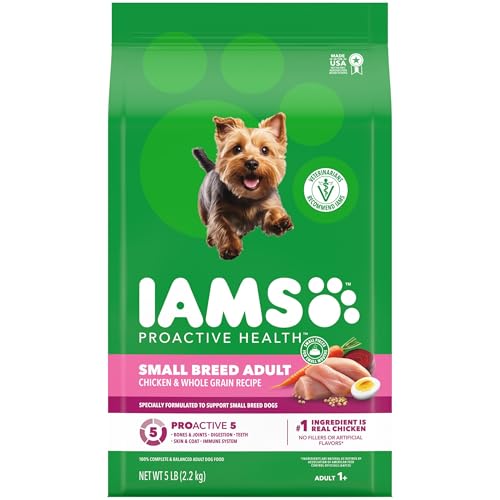
Our top pick is Royal Canin Veterinary Diet Gastrointestinal Low Fat Small Dog, a veterinary diet with precise low fat and high digestibility for pancreatitis-prone small breeds. For a more accessible option, Purina Pro Plan Sensitive Skin & Stomach Small Breed offers a well-balanced, lower-fat formula. If budget is a concern, Iams Proactive Health Small Breed provides a solid, affordable choice with moderate fat.
What to consider for Small Breed Dog Food For Pancreatitis Prone Dogs
Small breed dogs have faster metabolisms and often require smaller kibble sizes. Pancreatitis management demands a diet with < 10% fat on a dry matter basis, moderate protein, and highly digestible carbohydrates. Additionally, small breeds are prone to dental issues, so kibble shape and texture matter. Look for foods that meet AAFCO nutrient profiles for small breeds and include prebiotic fibers like beet pulp or FOS to support gut health without triggering inflammation.
What to look for in a dog food
Choose a food that states it is complete and balanced based on AAFCO feeding trials for adult maintenance or all life stages. The first ingredient should be a named meat source (e.g., chicken, lamb, salmon). For pancreatitis, fat content should be low – ideally 8% to 12% on a dry matter basis (or < 10% for strict management). Protein should be moderate (20% to 30%) and from high-quality sources. Small breed kibble size is important for easy chewing. Added omega-3 fatty acids from fish oil can help reduce inflammation, but balance with overall fat content. Avoid foods with excessive calcium or phosphorus for kidney concerns.
How we chose these picks
- We analyzed fat content from guaranteed analysis and dry matter basis calculations.
- We prioritized foods with named meat proteins and limited ingredient lists.
- We considered kibble size and shape suitability for small breeds.
- We checked for AAFCO nutritional adequacy statements for the appropriate life stage.
- We reviewed ingredient sources and avoided artificial additives.
- We compared price per pound to offer budget-friendly options.
- Never ranked a product higher just because it pays a commission.
What to avoid
- Foods with unnamed “meat meal” as the primary protein source – quality and fat content can vary.
- Grain-free or legume-heavy recipes unless specifically recommended by a veterinarian, due to the ongoing FDA investigation into a potential link with canine dilated cardiomyopathy (DCM).
- All-life-stages formulas for small breed puppies – they may have inappropriate calcium/phosphorus ratios.
- Abrupt diet switches – transition over 7 to 10 days to avoid digestive upset.
For more guides, visit our dog guides, dog food, and dog health categories.