Quick answer
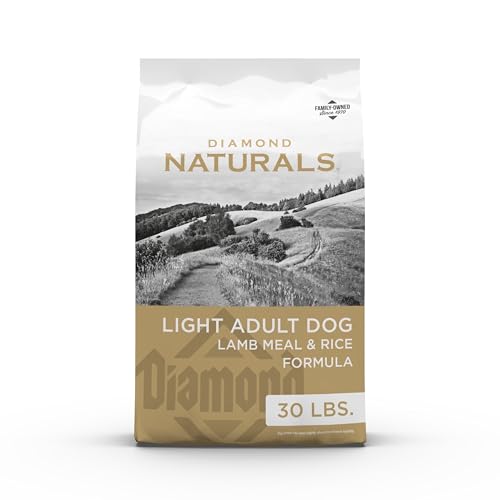
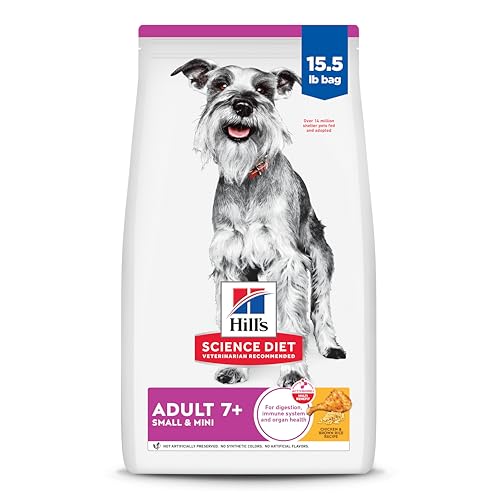
Our editorial team recommends Hill’s Science Diet Adult 7+ Small & Toy Breed Chicken & Barley Recipe as the best senior dog food for winter walks. It provides balanced nutrition with glucosamine and chondroitin for joint support, plus omega-6s for a healthy coat. For dogs with sensitive stomachs, Purina Pro Plan Sensitive Skin & Stomach Salmon & Rice is a strong alternative. Budget-conscious owners should consider Diamond Naturals Senior Lamb Meal & Rice.
What to consider for Senior Dog Food For Winter Walks
Winter walks place extra demands on senior dogs. Cold weather can stiffen joints, so food with added glucosamine and chondroitin helps maintain mobility. A higher calorie density may be needed to maintain body temperature, but careful portion control prevents weight gain. Omega-3 and omega-6 fatty acids support skin and coat health, protecting against dry winter air. Adequate protein helps preserve muscle mass, which is important for stability on slippery surfaces. Always consult your veterinarian before making dietary changes.
What to look for in a dog food
Look for a statement from AAFCO that the food is complete and balanced for adult maintenance or senior dogs. The first ingredient should be a named meat source like chicken, lamb, or salmon. Protein levels around 20 to 30 percent on a dry matter basis are appropriate for most seniors, with fat between 10 to 18 percent. Calorie content typically ranges from 300 to 400 kcal per cup. For small breeds, smaller kibble size aids chewing; large breeds may need larger kibble to slow eating. Joint supplements like glucosamine and chondroitin, plus omega fatty acids, are beneficial for winter mobility and coat health.
How we chose these picks
- Evaluated ingredient lists for named meat as the first ingredient and absence of artificial preservatives.
- Checked for AAFCO nutritional adequacy statements for adult or senior life stages.
- Prioritized formulas with added glucosamine, chondroitin, and omega fatty acids.
- Considered calorie density and fat content to support energy needs in cold weather.
- Reviewed brand reputation, manufacturing quality, and recall history.
- Selected products across different price points to suit various budgets.
- Never ranked a product higher just because it pays a commission.
What to avoid
- Foods with an unnamed “meat meal” as the only protein source, which can be low quality.
- Defaulting to grain-free or legume-heavy recipes without veterinary advice, as the FDA DCM investigation is ongoing; grain-inclusive is the safer default.
- All-life-stages food for a large-breed senior, as it may not meet specific senior needs.
- Abrupt diet switches; transition over 7 to 10 days to avoid digestive upset.
Explore more of our dog guides, including dog food and dog nutrition resources.