Quick answer
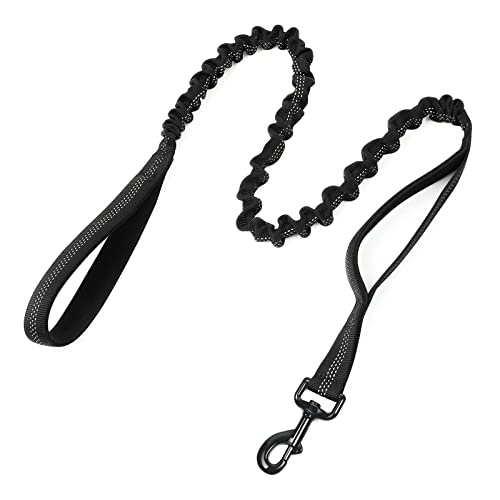
Our top pick for the best dog leash for swimming is the Ruffwear Slackline Leash, thanks to its durable, water-resistant materials and comfortable grip. For budget-conscious buyers, the Kurgo GoBionic Leash offers excellent value with reflective stitching and a padded handle. The Rabbitgoo Bungee Leash is ideal for dogs that pull, while the PetSafe Nylon Leash provides a simple, affordable option for calm swimmers.
What to consider for Dog Leash For Swimming
When choosing a leash for swimming, prioritize materials that resist water damage and rust. Nylon and polypropylene are excellent choices as they dry quickly and do not absorb water like cotton. Avoid leather leashes, as they can become stiff and brittle when wet. Look for corrosion-resistant hardware, such as stainless steel or coated clips, to prevent rust. A comfortable, non-slip handle is crucial for maintaining grip when the leash is wet. Additionally, consider a leash with reflective elements for visibility in low-light conditions near water. Length matters: a 4 to 6 foot leash offers control without tangling, while longer leashes may be useful for training recalls.
What to look for in a gear item (harness, collar, leash or muzzle)
Correct fit and sizing: Ensure the leash clip fits your dog’s collar or harness ring. Check that the leash width matches the dog’s size; small dogs need lighter leashes, while large dogs require thicker, stronger ones. Durable hardware and materials: Look for rust-proof clips (stainless steel or brass) and strong stitching. Nylon webbing with a breaking strength of at least 200 pounds is recommended for medium to large dogs. Safety features: Reflective stitching or strips enhance visibility. A traffic handle near the clip offers extra control near water. Avoid leashes with weak swivels that can break. Comfort and padding: A padded handle reduces strain on your hands, especially when wet. Neoprene or foam padding adds comfort. No-pull design: Bungee leashes absorb shock from pulling, making them suitable for strong dogs. Some leashes have multiple handles for better control.
How we chose these picks
- Evaluated water resistance and drying speed of materials.
- Checked hardware corrosion resistance (stainless steel or coated).
- Assessed handle comfort and grip when wet.
- Reviewed reflective elements for safety.
- Considered leash length and width for different dog sizes.
- Read verified customer feedback on durability after water exposure.
- Compared price points to offer options for various budgets.
- Never ranked a product higher just because it pays a commission.
What to avoid
- Ill-fitting sizes: a leash that is too thin may break with a strong dog; too thick may be cumbersome for small breeds.
- Flimsy clips that fail on strong dogs: avoid plastic or thin metal clips; opt for solid brass or stainless steel.
- Aversive tools used without professional guidance: prong or choke collars can cause injury; consult a trainer.
- Retractable leashes near traffic: they can tangle and reduce control; use a standard leash for safety.
For more tips, check out our dog guides, dog care products, and dog health sections.