Quick answer
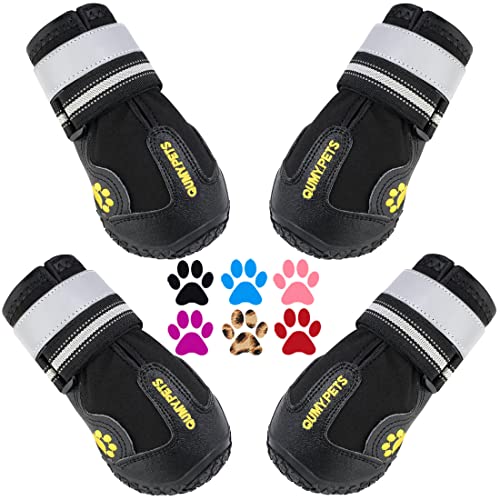
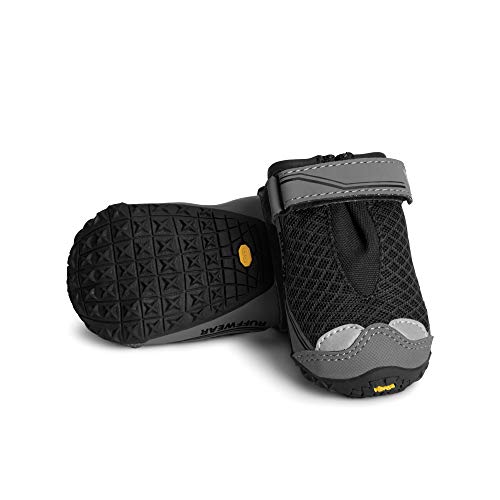
The Ruffwear Grip Trex is our top pick for training dog boots, offering exceptional traction and secure fit. For budget-conscious owners, the Petacc Dog Boots provide good protection at a lower price. The Kurgo Step-N-Stay boots are best for dogs that need easy on/off access during training.
What to consider for Dog Boots For Training
When selecting boots for training, consider the surface type (asphalt, gravel, snow), your dog’s activity level, and the duration of wear. Boots should provide good traction to prevent slipping, be breathable to avoid moisture buildup, and have a secure closure system to stay on during movement. Measure your dog’s paws carefully using the manufacturer’s sizing guide, as improper fit can cause discomfort or chafing.
What to look for in a gear item (harness, collar, leash or muzzle)
For training boots, focus on correct fit and sizing: measure paw width and length, and check the boot’s height to ensure it covers the dewclaw. Durable materials like rubber soles and nylon uppers withstand rough terrain. Safety features include reflective strips for visibility, non-slip soles, and escape-resistant closures like Velcro straps or zippers. Comfort and padding are crucial to prevent rubbing; look for breathable mesh linings. A no-pull design isn’t applicable to boots, but ensure they don’t restrict natural movement.
How we chose these picks
- Evaluated boot construction for durability and traction on various surfaces.
- Checked customer feedback on fit, comfort, and ease of use.
- Considered closure systems that prevent boots from slipping off during activity.
- Assessed breathability and moisture-wicking properties to reduce irritation.
- Compared price points to offer options for different budgets.
- Reviewed safety features such as reflective elements and non-slip soles.
- Ensured products are from reputable brands with consistent sizing.
- Never ranked a product higher just because it pays a commission.
What to avoid
- Ill-fitting sizes that cause blisters or restrict circulation; always measure paws.
- Flimsy soles that wear out quickly on abrasive surfaces like concrete.
- Boots with poor ventilation that trap moisture and lead to skin infections.
- Closures that are difficult to adjust or come undone during training.
- Boots that are too heavy or bulky, hindering your dog’s natural gait.
For more guidance, explore our dog guides, dog care products, and dog health resources.