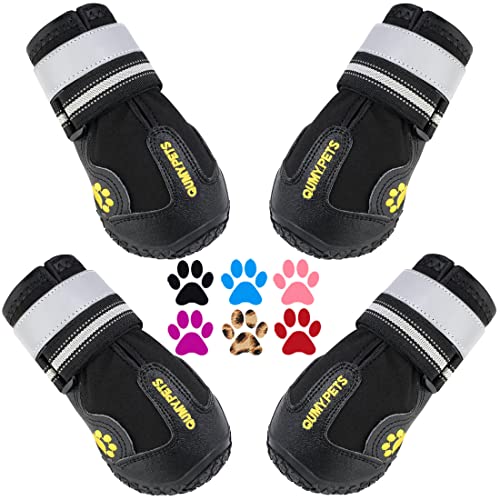
Quick answer
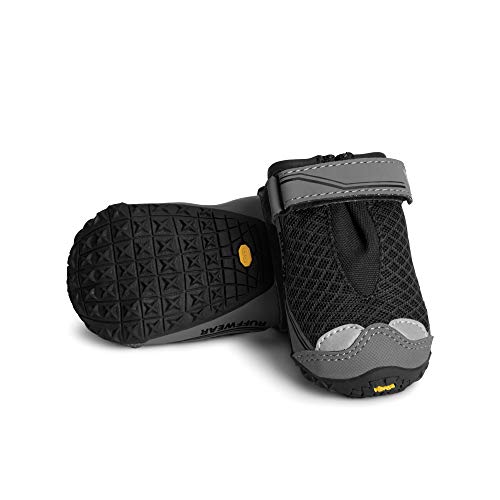
Our top pick is the Ruffwear Grip Trex Dog Boots. They offer excellent traction, a secure fit, and a low-profile design that minimizes bulk around the leg, reducing any potential pressure on the trachea area. For dogs with sensitive paws and breathing issues, the Kurgo Step-N-Stop Dog Boots are a great runner-up with a simple step-in design that avoids pulling over the head.
What to consider for Dog Boots For Dogs With Trachea Problems
Dogs with trachea problems, such as collapsing trachea or chronic cough, require gear that avoids any pressure on the neck. Boots should be easy to put on without pulling the dog’s head through a tight opening. Look for boots with wide openings, adjustable straps, and lightweight construction. The material should be flexible yet durable, and the sole should provide good traction to prevent slipping, which can cause sudden jerks on the neck. Avoid boots with high cuffs that might rub against the throat area.
What to look for in a gear item (harness, collar, leash or muzzle)
For dogs with trachea issues, a harness is the safest choice. Look for a harness with a front clip to discourage pulling, which can strain the trachea. The harness should have padded chest and belly straps to distribute pressure evenly, and a Y-front design that sits away from the throat. Hardware should be rust-resistant and strong, such as zinc alloy or stainless steel. Reflective stitching improves visibility. Ensure the harness is escape-proof with multiple adjustment points. Avoid collars entirely, as any pressure on the neck can worsen trachea problems.
How we chose these picks
- Evaluated boot designs for ease of application without neck strain.
- Checked customer reviews for fit and durability on dogs with respiratory issues.
- Prioritized lightweight materials that won’t weigh down the dog’s legs.
- Assessed sole traction to prevent slips that could jerk the neck.
- Considered adjustable closures to ensure a snug but not tight fit.
- Included a range of sizes to accommodate small and large breeds.
- Focused on products from reputable brands known for safety.
- Never ranked a product higher just because it pays a commission.
What to avoid
- Boots with narrow openings that require forcing the paw in, causing stress.
- Clips or straps that are flimsy and may break, leading to boot loss.
- Boots with high cuffs that might rub against the throat or restrict breathing.
- Any boot that is too heavy, adding fatigue to the dog.
- Retractable leashes near traffic, as they can cause sudden pulls on the neck.
For more tips, check out our dog guides, dog health, and dog care products.