Quick answer
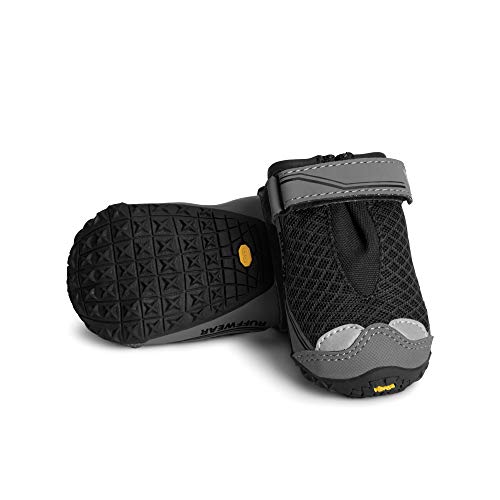
Our top pick is the Ruffwear Grip Trex due to its tough Vibram sole and reinforced stitching that withstands chewing. For budget-conscious owners, the Muttluks Fleece Lined Boots offer a soft but less durable option. The Kurgo Step-N-Strobe is great for visibility but less chew-resistant.
What to consider for Dog Boots For Dogs That Chew
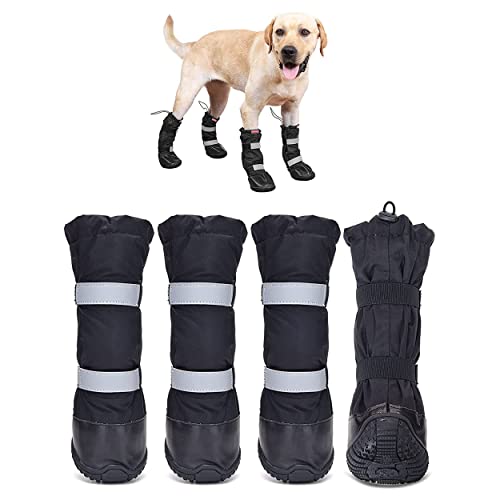
Chewing is a common issue with dog boots, especially for anxious or teething dogs. Look for boots made from abrasion-resistant materials like ballistic nylon or rubber. Reinforced seams and non-toxic coatings are essential. Also consider the closure system: Velcro is easy but can be chewed off; zippers or buckle straps are more secure. Ensure proper fit to prevent slipping, which can trigger chewing. Boots should be lightweight to avoid discomfort. Finally, check for reflective elements for safety during low-light walks.
What to look for in a gear item (harness, collar, leash or muzzle)
Correct fit and sizing are crucial: measure your dog’s paw width and length, and follow the brand’s sizing chart. Durable hardware and materials like rust-resistant buckles and reinforced stitching prevent failure under stress. Safety features include escape-resistant designs (e.g., double straps) and reflective trim for visibility. Comfort and padding are important to prevent chafing; look for breathable liners. For no-pull designs, choose boots with secure closures that don’t restrict movement. Avoid boots with small parts that can be chewed off and swallowed.
How we chose these picks
- Evaluated chew resistance based on material thickness and seam reinforcement.
- Checked customer reviews for durability and fit across different breeds.
- Considered safety features like reflective elements and non-slip soles.
- Assessed ease of putting on and taking off, especially for wriggly dogs.
- Prioritized brands with transparent sizing guides and return policies.
- Compared price points to offer options for various budgets.
- Consulted veterinary resources on paw protection and chewing behavior.
- Never ranked a product higher just because it pays a commission.
What to avoid
- Ill-fitting sizes: boots that are too tight cause discomfort; too loose invite chewing and slipping.
- Flimsy clips or Velcro that fail on strong dogs or persistent chewers.
- Aversive tools like shock collars used without professional guidance to stop chewing.
- Retractable leashes near traffic: they can cause accidents and don’t help with boot training.
For more guidance, check out our dog guides and explore dog care products or dog health resources.