Quick answer
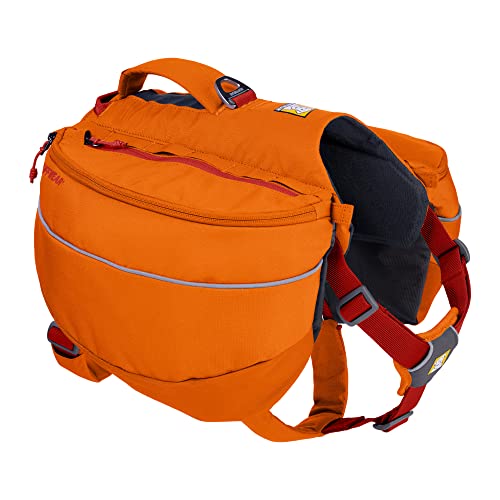
The Ruffwear Approach Pack is our top pick for most dogs because of its balanced fit, sturdy construction, and saddlebag design that stays put on trails. For budget-conscious owners, the Outward Hound DayPak offers a lightweight option at a lower price. If your dog has a deep chest, the Kurgo Baxter fits well without rubbing.
What to consider for Dog Backpack For Camping
When choosing a dog backpack for camping, consider the pack’s weight capacity relative to your dog’s size (typically 10 to 12 percent of body weight). Look for a design that balances loads evenly to avoid strain. The pack should have multiple adjustment points for a snug fit, and the material must be durable enough to withstand branches and rough terrain. Also consider whether you need built-in hydration compatibility or reflective trim for visibility.
What to look for in a dog backpack
Correct fit and sizing are critical: measure your dog’s girth and length, and check the manufacturer’s sizing chart. Durable hardware and materials like ripstop nylon and reinforced stitching ensure longevity. Safety features include escape-resistant buckles, no-choke designs (front clip or martingale), and reflective elements for low-light visibility. Comfort and padding are important, especially on the chest and belly straps, to prevent chafing during long hikes. A no-pull design is not typically a feature of backpacks, but a well-fitted pack should not encourage pulling; some packs include a front chest strap that can help with control.
How we chose these picks
- Evaluated product specifications and materials for durability and weather resistance.
- Compared sizing ranges to ensure options for small to large breeds.
- Checked customer feedback for fit, comfort, and ease of use.
- Considered weight distribution and load capacity for safe use.
- Looked for safety features like reflective trim and secure buckles.
- Included a range of price points to suit different budgets.
- Never ranked a product higher just because it pays a commission.
What to avoid
- Ill-fitting sizes that cause chafing or allow the pack to shift.
- Flimsy clips that can break under the weight of gear or a strong dog.
- Aversive tools like prong collars used without professional guidance.
- Retractable leashes near traffic, as they can cause injury or tangling.
For more guidance, explore our dog guides, plus dog care products and dog nutrition resources.


