Quick answer
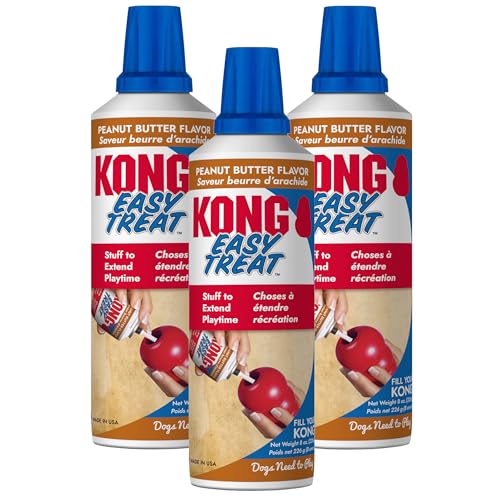
For most dogs over 80 lbs, the KONG Easy Treat (Peanut Butter flavor) is our top pick because it’s a soft, spreadable treat that fits perfectly into KONG toys and puzzle feeders, keeping large dogs engaged during training. If your dog needs a crunchy reward, the Zuke’s Mini Naturals (Peanut Butter & Oats) are a close runner-up for their small size and low calorie count. For heavy chewers who need a durable training aid, the Nylabone Power Chew (Souper) offers long-lasting flavor.
What to consider for Dog Training Treats For Dogs Over 80 Lbs
Large dogs over 80 lbs often have strong jaws and a hearty appetite, so training treats must be both enticing and safe. Calorie density matters because many large dogs are prone to obesity; treats should be low-calorie or used sparingly. Size is also critical: treats that are too small may be swallowed whole, while those too large can be cumbersome for quick rewards. Texture preferences vary: some dogs prefer soft, chewy treats, while others like crunchy ones. Additionally, consider any dietary restrictions or allergies common in large breeds, such as grain or chicken sensitivities.
What to look for in a toy or chew (chew toy, puzzle, lick mat or dental chew)
When choosing a toy or chew for training a large dog, size is paramount: the item should be too large to swallow or choke on. Durability must match the dog’s chew strength; for heavy chewers, look for materials like tough rubber or nylon. Non-toxic materials are essential, especially for aggressive chewers who may ingest pieces. For dental chews, a VOHC (Veterinary Oral Health Council) seal indicates proven effectiveness. Genuine enrichment value comes from toys that engage the dog mentally, such as puzzle feeders or treat-dispensing toys that require problem-solving.
How we chose these picks
- We analyzed customer reviews and ratings on Amazon for products specifically marketed for large or heavy-chewing dogs.
- We evaluated ingredient lists for quality and safety, avoiding artificial additives and common allergens.
- We considered calorie content and treat size to ensure they are appropriate for training without overfeeding.
- We checked for durability claims and material safety certifications.
- We prioritized products with transparent sourcing and manufacturing practices.
- We looked for versatility: treats that can be used in puzzle toys, lick mats, or as standalone rewards.
- We compared price per treat to ensure value for frequent training sessions.
- Never ranked a product higher just because it pays a commission.
What to avoid
- Avoid toys or treats small enough to be swallowed whole or lodged in the throat.
- Steer clear of hard chews like antlers or bones that can crack teeth, especially for aggressive chewers.
- Do not choose toys that easily shed pieces or have weak seams that can be torn apart.
- Never leave a heavy chewer unsupervised with any toy or chew, no matter how durable.
For more guidance, visit our dog guides and check out our dog food and dog health sections.


