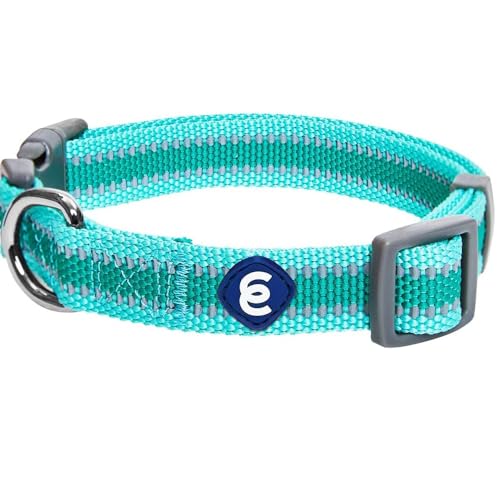
Quick answer
The PetSafe Gentle Leader Headcollar is our top pick for small dogs because it provides gentle, humane control without choking. It works by redirecting the dog’s head, making walks more manageable. For dogs that pull excessively, the Sporn No-Pull Harness offers a comfortable body wrap that discourages pulling without stress on the neck. Both options prioritize safety and comfort for small breeds.
What to consider for Dog Training Collar For Small Dogs
Small dogs have delicate necks and tracheas, so collars that apply pressure to the neck can cause injury. Look for collars that distribute pressure evenly, such as head halters or harnesses with front clips. The collar should be lightweight and adjustable to fit a small neck circumference (typically 8 to 14 inches). Avoid prong or choke collars, as they can harm small breeds. Consider your dog’s temperament: a sensitive dog may respond better to a gentle leader, while a stubborn puller might need a no-pull harness. Always pair the collar with positive reinforcement training for best results.
What to look for in a toy or chew (chew toy, puzzle, lick mat or dental chew)
When selecting a toy or chew for a small dog, prioritize size to prevent choking. Choose items that are too large to swallow but easy for small mouths to grip. Durability should match your dog’s chew strength; soft rubber or plush toys are fine for gentle chewers, while harder nylon or rubber suits aggressive chewers. Ensure materials are non-toxic (e.g., food-grade silicone, natural rubber). For dental chews, look for the VOHC seal to guarantee effectiveness. Genuine enrichment value comes from toys that engage natural behaviors, like puzzle toys that dispense treats or lick mats that provide calming activity.
How we chose these picks
- Evaluated collars based on safety features, including pressure distribution and breakaway options.
- Reviewed customer feedback for fit and comfort on small breeds (under 20 pounds).
- Considered adjustability and range of neck sizes accommodated.
- Prioritized collars that are recommended by professional trainers for small dogs.
- Assessed ease of use, including how quickly the collar can be put on and taken off.
- Checked for durability and quality of materials, such as padded nylon or neoprene.
- Compared price points to ensure value for money across different budgets.
- Never ranked a product higher just because it pays a commission.
What to avoid
- Avoid collars that are too small or too large; a poor fit can cause choking or slipping off.
- Steer clear of prong or choke collars, which can injure a small dog’s neck and trachea.
- Do not use collars that rely on aversive methods like shock or spray without professional guidance.
- Avoid leaving a training collar on unsupervised, as it can get caught on objects and cause injury.
- Never use a collar that causes your dog distress or pain; switch to a positive reinforcement approach.
For more guidance, explore our dog guides and check out dog care products or dog health resources.