Quick answer
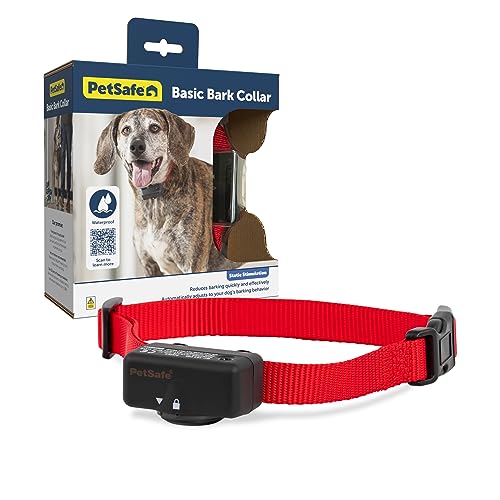
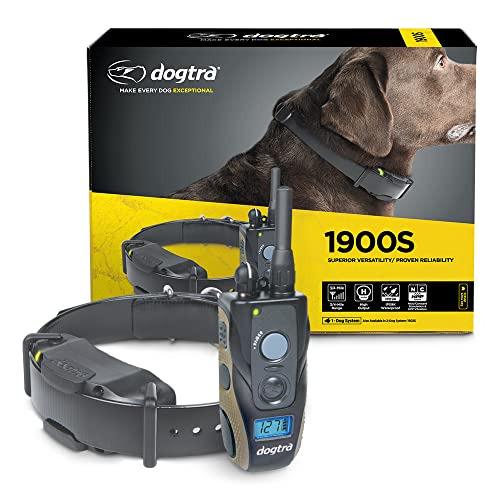
The best dog training collar for dogs home alone is the PetSafe Basic Remote Trainer. It offers reliable remote correction up to 300 yards, 8 levels of static stimulation plus vibration and tone, and a waterproof receiver. For dogs with separation anxiety, the PetSafe Stay & Play ComfortFIT Wireless Fence is a great alternative. For bark control, the PetSafe No-Bark Collar is our top pick.
What to consider for Dog Training Collar For Dogs Home Alone
When choosing a training collar for a dog left home alone, consider the type of training needed: remote training for commands, bark control for excessive barking, or containment to keep the dog in a safe area. Ensure the collar is comfortable for extended wear, has a reliable battery life, and offers adjustable correction levels. For anxious dogs, look for collars with vibration or tone options before static stimulation. Also, consider the dog’s size and temperament; some collars are better suited for small or sensitive dogs.
What to look for in a training collar
Look for a collar with adjustable stimulation levels, a range that suits your home size (typically 100 to 400 yards), and a waterproof receiver for outdoor use. The collar should have a secure fit with contact points that don’t irritate the skin. For dogs home alone, a bark control collar with automatic correction can be helpful, but ensure it has a safety shut-off to prevent over-correction. Also, consider collars with a rechargeable battery and a low-battery indicator.
How we chose these picks
- Evaluated product features against common training needs for dogs left alone
- Compared customer reviews and ratings from verified purchasers
- Assessed safety features such as automatic shut-off and adjustable levels
- Considered brand reputation and warranty
- Focused on collars suitable for various dog sizes and temperaments
- Included both remote and bark control options
- Prioritized collars with humane training features (vibration/tone)
- Never ranked a product higher just because it pays a commission
What to avoid
- Avoid collars with only high static stimulation levels, which can cause fear or anxiety
- Do not use a collar that is too tight or too loose; it should fit snugly but allow two fingers to slide under
- Avoid collars with poor battery life that may die when needed
- Do not leave a collar on for more than 12 hours a day to prevent skin irritation
- Avoid using a bark collar on a dog with separation anxiety without consulting a trainer
For more guidance, check out our dog guides and dog care products or dog health articles.