Quick answer
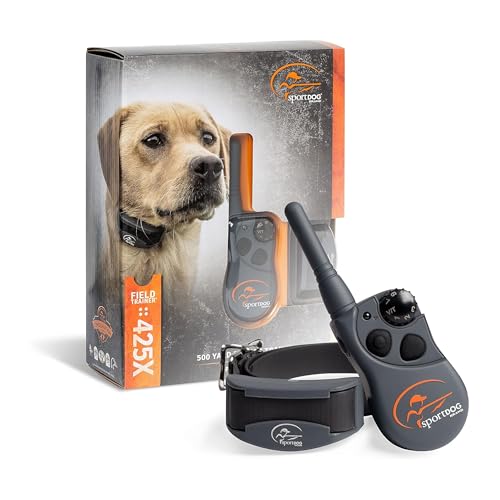
The PetSafe Gentle Leader Head Collar is our top pick for Boston Terriers because it gently guides without choking, fitting their short snouts well. For dogs that pull strongly, the PetSafe Easy Walk Harness offers better control, while the SportDOG Brand FieldTrainer 425 is ideal for off-leash training. Each pick addresses the unique needs of this brachycephalic breed.
What to consider for Dog Training Collar For Boston Terriers
Boston Terriers have short muzzles and sensitive tracheas, so collars that put pressure on the neck can cause breathing issues or injury. Look for collars that distribute pressure evenly, such as head halters or no-pull harnesses. Also consider their strong prey drive and intelligence; a collar that offers both correction and reward options can enhance training. Size is critical: Boston Terriers typically have neck sizes 12 to 17 inches, so adjustability is key. Avoid prong or choke collars, which can harm their delicate airways.
What to look for in a toy or chew (chew toy, puzzle, lick mat or dental chew)
For Boston Terriers, choose toys sized appropriately to prevent choking. Durable materials like rubber or nylon withstand moderate chewing. Ensure non-toxic materials, as Bostons are prone to allergies. For dental chews, look for the VOHC seal to ensure effectiveness. Puzzle toys should challenge but not frustrate; treat-dispensing toys provide mental enrichment. Avoid hard chews like antlers or bones that can crack teeth. Always supervise with any chew toy.
How we chose these picks
- Evaluated collar types for safety on brachycephalic breeds
- Checked adjustability and fit for Boston Terrier size range
- Reviewed customer feedback for durability and effectiveness
- Considered training features like remote control or no-pull design
- Prioritized products from reputable brands with good return policies
- Ensured collars are comfortable and do not rub or chafe
- Never ranked a product higher just because it pays a commission
What to avoid
- Avoid collars that are too small and can choke; always measure neck
- Do not use hard plastic or metal prong collars that can injure trachea
- Steer clear of collars with sharp edges or poor stitching
- Never leave a training collar on unsupervised; remove when not training
For more guidance, explore our dog guides and dog care products or dog nutrition sections.