Quick Answer: Best Harness for Labradors
The Ruffwear Front Range Harness in XL offers a balance of durability, control, and comfort for adult Labradors, with dual attachment points (front and back leash clips) that accommodate both casual walks and more active outings.
Why Labradors Need the Right Harness
Labrador Retrievers are among the most popular dog breeds, but their strength and enthusiasm require appropriate equipment to ensure safe, controlled walks. Adult Labs typically weigh between 55 and 80 pounds and possess considerable pulling power, especially during adolescence and young adulthood. A poorly fitted or inappropriate harness can worsen pulling behavior, create discomfort, and even contribute to injury.
Beyond everyday walks, the right harness supports long-term joint health. Labradors rank fifth in hip dysplasia prevalence among dog breeds, according to the Orthopedic Foundation for Animals, and approximately 30 to 40 percent of Labs are overweight or obese. These factors place additional stress on joints and ligaments during exercise. An ill-fitting harness can redirect forces unevenly across the chest and shoulders, potentially aggravating dysplasia or strains over time.
Our editorial team focused on harnesses that distribute weight evenly across the chest and shoulders, reduce pulling through front-clip designs where available, and offer materials durable enough to withstand a Lab’s strength and activity level.
What to Look for in a Harness for Labradors
Choosing a harness involves several key criteria:
- Size and Fit: Labs require large or XL sizes in most brands. A harness should fit snugly around the chest without restricting breathing, and you should be able to fit two fingers under the straps. Too loose and the dog can slip free; too tight and it causes discomfort.
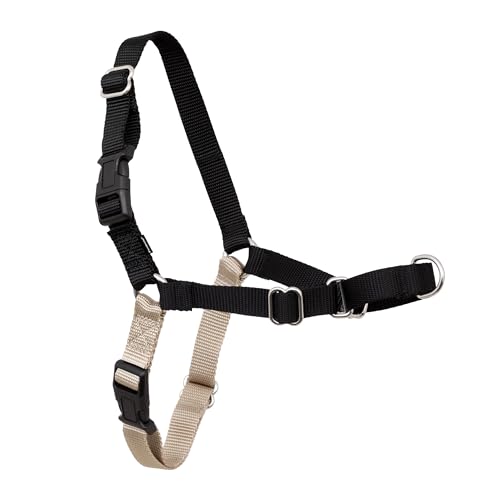
- Leash Attachment Points: Front-clip harnesses redirect pulling downward and to the side, reducing the tendency to lunge. Back clips are standard and suit dogs already trained not to pull. Dual-attachment options offer flexibility.
- Material Durability: Labs are active and play vigorously. Heavy-duty nylon, reinforced stitching, and rust-resistant hardware withstand chewing, scratching, and repeated washing.
- Weight Distribution: A well-designed harness spreads the force of pulling across the chest and shoulders rather than concentrating pressure on the neck or throat, which is especially important for a breed prone to joint issues.
- Visibility and Safety: Reflective strips and bright colors improve visibility during dawn, dusk, or night walks, reducing the risk of traffic accidents.
- Washability: Labs love water and mud. Machine-washable or easily cleanable materials keep the harness hygienic and extend its lifespan.
How We Chose These Picks
Our editorial team evaluated harnesses against the following criteria:
- Suitable sizing and fit for adult Labs (55 to 80 pounds)
- Durability tested against high-energy dogs and outdoor conditions
- Pulling-control effectiveness (front-clip or weighted design preference)
- Material quality and ease of cleaning
- Comfort and safety features (padding, non-restrictive design, visibility)
- Value within a reasonable price range
- Never ranked a product higher solely because of affiliate commission potential
What to Avoid
Several harness features can harm rather than help Labradors:
- Neck-Focused Designs: Standard collars or harnesses that concentrate force on the neck increase choking risk and can damage the trachea, especially in large, powerful dogs.
- Poor Sizing or Loose Fit: An oversized harness allows Labs to slip free, creating safety hazards during walks or outdoor activities. Many owners mistake a loose fit for comfort.
- Thin, Non-Padded Materials: Cheap nylon and thin webbing cut into skin during pulling or extended wear, causing chafing and sores.
- Single Leash Attachment Points Without Front-Clip Option: Labs accustomed to pulling benefit from front-clip designs that make pulling less rewarding; back-only clips don’t address the pulling behavior itself.
- Materials That Don’t Withstand Washing: Harnesses that fade, tear, or degrade after a few machine washes waste money and may eventually fail during use.
Our Picks for the Best Harnesses for Labradors
See the five harnesses recommended by our editorial team below, or scroll further for additional considerations, care guidance, and frequently asked questions. Each pick balances practical performance with real-world durability for Labs’ size and energy level.
Understanding Harness Types for Labs
Labrador owners often face a choice between front-clip and back-clip designs. Front-clip harnesses excel at discouraging pulling by redirecting momentum sideways when your Lab lunges forward, making the behavior less rewarding. Back-clip designs suit dogs already trained not to pull and offer a more traditional setup. Dual-attachment harnesses provide the flexibility to switch between both methods as your Lab’s training progresses. Heavy-duty models prioritize control and durability for strong pullers or working Labs, while comfort-focused designs emphasize padding and weight distribution for sensitive or senior dogs.
Training Considerations with Harnesses
A harness is a tool, not a cure-all for pulling. The most successful approach pairs the right harness design with consistent training and positive reinforcement. When your Lab pulls, they learn that pulling doesn’t get them where they want to go. A front-clip harness amplifies this lesson by making pulling uncomfortable and less effective. Consistency matters most, especially with Labs, who are intelligent and eager to please when given clear expectations. Many Labs that pull during adolescence naturally calm down by three to four years of age, but using the right harness during this phase prevents bad habits from becoming ingrained. Short, regular training sessions work better than long, infrequent outings.
Harness Fit and Adjustment Over Time
A common mistake Lab owners make is purchasing a harness once and assuming the fit remains correct. As Labs grow from puppies to adolescents to full adults, their chest circumference expands significantly. A harness that fits perfectly at six months may become too tight by eighteen months, restricting the dog’s movement and causing discomfort. Conversely, a loose harness creates safety risks by allowing the dog to slip free. Weight fluctuations due to seasonal changes, overfeeding, or medical conditions also affect fit. Set a reminder to check your Lab’s harness fit monthly, especially during growth phases. When repositioning straps, ensure the adjustment maintains the two-finger rule under all attachment points. Some Labs need to move up a size every six months during their first two years, then stabilize once they reach full adult size.
Supporting Lab Care and Wellness
A harness is one part of a Labrador’s outdoor and daily-life toolkit. Labs benefit from consistent exercise (at least one to two hours daily for adults), mental stimulation, regular grooming, and preventive joint care. If your Lab shows signs of discomfort during walks, reluctance to exercise, or limping, consult your veterinarian to rule out dysplasia or other joint issues.
For additional products and guides tailored to Labrador health and happiness, visit our complete dog care section.
Sources
- Orthopedic Foundation for Animals (OFA) – Hip Dysplasia Prevalence in Dog Breeds: ofa.org
- Association for Pet Obesity Prevention – Obesity in Companion Animals: petobesityprevention.org
- American Kennel Club – Labrador Retriever Breed Standards and Health: akc.org
- Certified Professional Dog Trainer International Association (CCPDT) – Harness and Equipment Guidelines: ccpdt.org