Quick answer
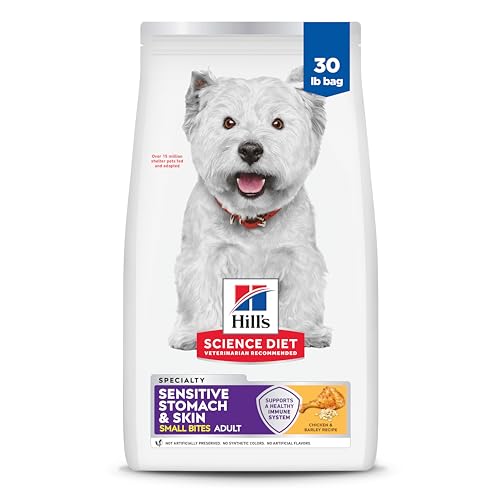
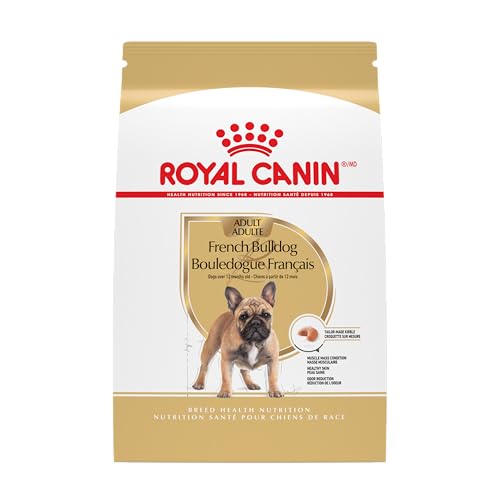
For most French Bulldogs, our editorial team leans toward Royal Canin French Bulldog Adult Dry Dog Food as the top overall pick because it is a small breed formula shaped around this breed’s barrel body, easy weight gain, and tendency toward sensitive skin, and its kibble shape is designed for a short, flat muzzle. If your Frenchie has a sensitive stomach or itchy skin, Purina Pro Plan Sensitive Skin and Stomach with salmon is a stronger fit. On a tighter budget, Diamond Naturals Small Breed Adult delivers solid named-meat nutrition for less. For puppies under a year, Royal Canin French Bulldog Puppy is built for the growth window, and for a limited-ingredient route when food sensitivities are suspected, Hill’s Science Diet Sensitive Stomach and Skin Small Bites keeps the recipe simple.
Why French Bulldogs need the right food
French Bulldogs are a small breed (typically about 16 to 28 pounds) with a compact, muscular, barrel-chested build, so portion control matters a lot. They gain weight easily, and extra pounds are a real problem for a brachycephalic (flat-faced) breed because excess weight worsens breathing and adds strain in warm weather.
This breed is also well known for skin and coat issues, including allergies, itchiness, and irritation in their facial and body skin folds, which is why diets that support skin with omega 3 and omega 6 fatty acids are popular for them. Many Frenchies have sensitive stomachs and noticeable flatulence, so a single, named, digestible protein and a steady, moderate fat level often sit better than rich, complicated recipes.
As a small breed, they have relatively high energy needs per pound but small stomachs, so calorie-dense small breed kibble in measured amounts works well. Their crowded small jaws make them prone to dental crowding and tartar, so small kibble that encourages a little chewing is helpful. They are also moderate energy dogs, not endurance athletes, which means most adult Frenchies do not need high-performance, very high-calorie food.
What to look for in a French Bulldog food
Choose a small breed formula with a named animal protein first (such as chicken, lamb, or salmon) rather than a vague “meat” term. Look for a clear AAFCO statement that the food is “complete and balanced” for the right life stage, which is the baseline signal that a food can serve as your dog’s main diet. Aim for moderate protein and fat for an average adult, often roughly 22 to 28 percent protein and a moderate fat level, with the understanding that activity and body condition matter more than one fixed number.
For skin and coat, favor foods listing omega 3 and omega 6 sources such as fish oil or flaxseed. If your dog is itchy or gassy, consider a limited-ingredient or single novel protein recipe and introduce it slowly. Pick a small kibble size suited to a short muzzle, and match the life stage (puppy, adult, or senior) to your dog. When in doubt about allergies or a sensitive gut, talk with your veterinarian before switching.
Find the right food for your dog’s needs
The picks above suit a healthy adult French Bulldog. For a specific life stage or health need, use these focused guides.
- Puppies: see our guide to the best French Bulldog food for puppies.
- Seniors: see our guide to the best French Bulldog food for senior dogs.
- Sensitive stomachs: see our guide to the best French Bulldog food for sensitive stomachs.
- Skin allergies: see our guide to the best French Bulldog food for skin allergies.
Which food type is best?
Dry, wet, fresh, raw and dehydrated foods can all work for a French Bulldog. The right one depends on your budget, your dog’s preferences and any health needs.
- Dry: most economical and convenient, and the crunch helps clean teeth.
- Wet: higher moisture and often more palatable, useful for fussy eaters or as a topper.
- Fresh and gently cooked: minimally processed with recognisable ingredients, at a higher cost.
- Raw and freeze-dried raw: high protein and minimally processed; handle safely and ask your vet first.
Getting the best value
The cheapest bag is not always the best value. A quality food that keeps your French Bulldog lean, with a healthy coat and firm stools, often means fewer vet visits. Feed to a healthy body condition rather than the bag maximum, and choose a recipe built around quality animal protein.
How we chose these foods
- Confirmed each food is currently sold on Amazon under the exact brand and product line named here.
- Required a clear AAFCO “complete and balanced” statement for the appropriate life stage so the food can serve as a main diet.
- Prioritized small breed formulas with kibble size and calorie density suited to a compact, flat-faced breed.
- Looked for a named animal protein as the first ingredient rather than a generic or unnamed meat source.
- Favored recipes with named omega fatty acid sources to support the skin and coat issues this breed commonly faces.
- Checked each brand against the FDA’s public animal food recall and withdrawal listings at the time of writing and treated recall history as a real factor.
- Weighed honest trade-offs such as price, protein source, and whether a recipe is grain-inclusive, since we treat grain-inclusive diets as the safer default unless your vet advises otherwise.
- Never ranked a food higher just because it pays a commission.
Foods to avoid or feed with care
- Calorie-dense performance or “active dog” formulas for a typical low to moderate energy Frenchie, since they make unwanted weight gain easier.
- Free feeding with food left out all day, which makes portion control and weight management hard for a breed that gains weight readily.
- Rich, novelty, or frequently changed recipes that can trigger loose stool and gas in a sensitive stomach. Transition any new food gradually.
- Grain-free or legume-heavy diets chosen without a specific medical reason. The FDA has investigated reports of canine DCM in dogs eating certain diets, especially some grain-free or legume-heavy formulas, and is still gathering information; we treat grain-inclusive diets as the safer default unless your vet advises otherwise.
- Large-breed kibble with big pieces that are awkward for a short, flat muzzle to pick up and chew comfortably.
- Common toxic human foods as add-ins, including chocolate, grapes, raisins, onions, garlic, and xylitol sweetener.
For more help choosing and feeding, browse our dog food guides, read up on dog nutrition, and check our breed-aware dog health coverage.