You’re nibbling on a chicken wing and your bunny hops over, twitching their nose at the bone. It’s tempting to share, but the question “can rabbits have bones from human food” has a clear and urgent answer: absolutely not. Rabbits are strict herbivores with a delicate digestive tract that simply cannot process bones. Let’s walk through exactly why bones are dangerous, what safe alternatives look like, and how to keep your bunny happily occupied without risking their health.
Why Bones Are Dangerous for Rabbits
Bones from human food, whether cooked or raw, pose multiple serious risks. First, cooked bones become brittle and can splinter into sharp shards. These can puncture your rabbit’s mouth, throat, esophagus, or intestines. Raw bones are less likely to splinter but still carry harmful bacteria like Salmonella or E. coli, which a rabbit’s gut is not equipped to handle. Even small fragments can cause a gastrointestinal blockage, a life-threatening emergency that requires immediate veterinary surgery. Rabbits cannot vomit, so any obstruction has no natural exit. Additionally, gnawing on hard bones can fracture a rabbit’s teeth, leading to painful dental issues and expensive vet visits. Their teeth are designed for grinding fibrous plants, not crushing dense bone.
If your rabbit accidentally ingests a small piece of bone, watch for signs of distress: loss of appetite, hunched posture, teeth grinding, reduced or no stool, or lethargy. Contact your vet immediately if any of these occur. This is a genuine emergency.
What Rabbits Actually Need to Chew
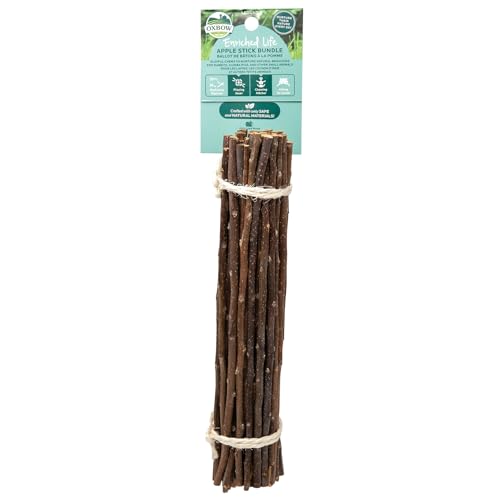
Rabbits have open-rooted teeth that grow continuously throughout their lives. Chewing is not just a hobby, it’s a biological necessity. They need tough, fibrous materials to wear down their teeth and keep them properly aligned. The best and safest option is unlimited timothy hay, which provides both nutrition and natural dental wear. For extra chewing enrichment, offer untreated wood toys, apple or willow branches (washed and pesticide-free), and cardboard tubes. To keep your bunny engaged and active, a rabbit tunnel offers a fun way to explore and burn energy while also encouraging natural burrowing instincts. You can also rotate rabbit chew toys to provide variety and prevent boredom. Always supervise new items to ensure your rabbit doesn’t ingest large pieces.
Safe Human Foods for Rabbits (and What to Avoid)
While bones are off the table, many human foods are safe and healthy for rabbits in small amounts. Stick to leafy greens like romaine lettuce, cilantro, basil, parsley, and dandelion greens. Safe vegetables include bell peppers (no seeds), zucchini, and cucumber. Fruits like apple slices (no seeds), blueberries, and strawberries can be offered as occasional treats, no more than a tablespoon per day. Never feed your rabbit meat, dairy, grains, nuts, seeds, or processed human snacks. Always introduce new foods gradually and watch for digestive upset. If you’re unsure about a specific food, ask your vet before offering it. A balanced diet is the foundation of a long, healthy life for your bunny.
“A rabbit’s gut is a finely tuned machine for fiber, not for bones. One wrong nibble can derail everything.”
How to Redirect Chewing Behavior
If your rabbit is constantly trying to chew on inappropriate items like furniture, baseboards, or your dinner leftovers, it’s a sign they need more enrichment. Provide a rabbit hay rack filled with fresh hay to encourage natural grazing and chewing. You can also stuff cardboard tubes with hay and a few pellets to create a foraging toy. Rotate their toys weekly to keep things interesting. A spacious rabbit exercise pen gives them room to run, jump, and explore, which reduces stress and destructive chewing. Remember, a tired bunny is a happy bunny. Spend time interacting with them daily, and offer plenty of safe, vet-informed chew items.
Common Myths About Rabbits and Bones
You might hear that wild rabbits occasionally gnaw on antlers or bones for minerals. While this does happen rarely in the wild, domestic rabbits have different needs and sensitivities. Wild rabbits also have shorter lifespans and face constant risks. Your pet rabbit relies on you for a safe, controlled environment. There is no nutritional benefit to giving your rabbit bones. Their calcium and mineral needs are fully met by a quality hay-based diet and a small portion of leafy greens. If you’re concerned about your rabbit’s dental health, provide plenty of hay and schedule regular vet checkups. Avoid falling for the myth that bones are a natural treat, they are a serious hazard.
Rabbits have 28 teeth that grow about 2 to 3 millimeters per week. That’s why they need to chew constantly! A single hay stalk can provide hours of healthy wear.
What to Do If Your Rabbit Eats a Bone
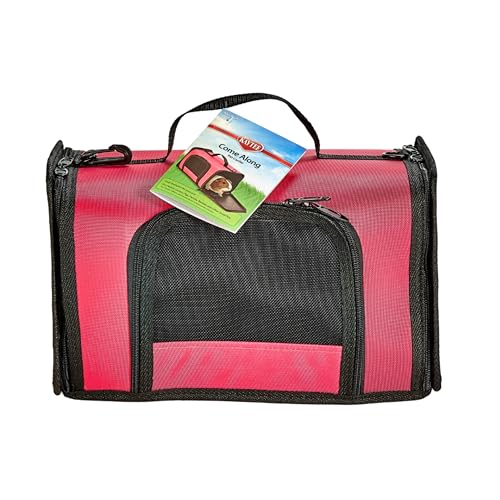
If you catch your rabbit eating a bone, or suspect they have, stay calm but act quickly. Remove any remaining bone from their reach. Check their mouth for visible splinters or bleeding, but be careful, a scared rabbit may bite. Offer fresh hay and water to encourage normal digestion. Monitor their behavior closely for the next 24 hours. Signs of a problem include refusing food, straining to poop, a bloated belly, or unusual quietness. Do not attempt home remedies like giving oil or laxatives, these can worsen the situation. Call your exotic vet immediately and describe what happened. If you don’t have a vet, contact an emergency animal hospital. Quick action can save your rabbit’s life. For stress-free vet visits, consider a comfortable rabbit carrier that keeps your bunny secure and calm during travel.