If you’ve ever heard your dog make a little “hup” sound and felt their belly rhythmically jump, you’ve witnessed dog hiccups. They look just like ours, and they’re almost always nothing to worry about. Whether you have a giant breed like a Cane Corso or a high-energy Australian Shepherd, hiccups are a common part of puppyhood and even adulthood. Let’s break down the most common questions owners have about this quirky canine behavior.
Why Do Dogs Get Hiccups?
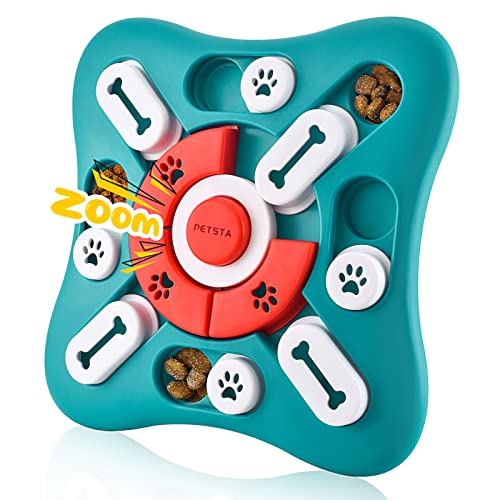
Just like in people, dog hiccups happen when the diaphragm, the muscle that helps with breathing, has a sudden, involuntary spasm. This causes the vocal cords to snap shut, creating that classic “hic” sound. The most common triggers include eating or drinking too fast, which can swallow air (known as aerophagia). Excitement, stress, or even playing too hard can also bring them on. Puppies get hiccups more often than adult dogs because their nervous systems and diaphragms are still developing, and they tend to gulp their food. If your pup is a fast eater, using a slow feed dog bowl can help reduce the air they swallow.
Are Dog Hiccups Dangerous?
In the vast majority of cases, no. Dog hiccups are harmless and will go away on their own within a few minutes to an hour. They are not a sign of a serious health problem. However, if your dog’s hiccups last longer than a few hours, or if they are accompanied by other symptoms like coughing, wheezing, vomiting, or a change in behavior, it is a good idea to check with your veterinarian. Very rarely, persistent hiccups can be linked to issues like pneumonia, asthma, or even a foreign body in the throat, but these cases are uncommon. For most dogs, a short bout of hiccups is just a normal part of life, especially after a big meal or a fun play session.
“Hiccups are just your dog’s way of saying they had a little too much fun or ate a little too fast.”
How Can I Stop My Dog’s Hiccups?
You can try a few gentle home remedies to help your dog’s hiccups pass faster. First, try to calm your dog down. Offer them a drink of water, but don’t force it. A gentle belly rub can also relax the diaphragm. Another trick is to distract them with a low-key activity, like a quiet game of fetch or a simple command like “sit” for a treat. Changing their position can sometimes help too, so gently roll them over or have them stand up. Avoid any sudden scares or loud noises, as that can make things worse. If your dog gets hiccups often after eating, consider switching to a raised dog bowl to reduce neck strain and slow down their eating, which can prevent air swallowing.
Do Puppies Get Hiccups More Often?
Yes, puppies are hiccup champions. It is very common for puppies to get hiccups after nursing, eating, or even during sleep. Their tiny bodies are still maturing, and their diaphragms are more sensitive to spasms. Puppies also tend to eat with incredible enthusiasm, gulping down food and air together. This is especially true for active breeds like the Australian Shepherd, who might be too excited to slow down. Most puppies outgrow frequent hiccups by the time they are a year old. In the meantime, just let them pass naturally. A small, calm puppy with hiccups is usually a perfectly healthy one.
Dogs can even get hiccups while they are still in the womb! Puppies have been seen having hiccups on ultrasound, which helps strengthen their breathing muscles before birth.
When Should I Worry About Dog Hiccups?
While hiccups are usually benign, there are a few red flags to watch for. If your dog’s hiccups last longer than a few hours without stopping, or if they happen very frequently (multiple times a day), it is worth a vet visit. Also, watch for signs of distress: if your dog is coughing, gagging, has trouble breathing, or seems lethargic along with the hiccups, seek professional advice. For older dogs or dogs with known heart or respiratory conditions, persistent hiccups could be a sign of an underlying issue. As a general rule, if your gut tells you something is off, trust it and call your vet. It is always better to be safe, especially if the hiccups are accompanied by other symptoms.
Can Diet Cause Dog Hiccups?
Absolutely. What and how your dog eats plays a big role in hiccups. Eating too fast is the number one dietary cause. Dry kibble can be particularly problematic if it’s gulped down without enough chewing, as it traps more air. Switching to a high-quality, easily digestible food can help. For example, if you have a large breed like a Cane Corso, choosing a high-protein dog food that is formulated for their size can reduce the likelihood of digestive upset and hiccups. Also, avoid feeding your dog immediately before or after intense exercise. Giving them a calm, quiet place to eat, using a slow feeder bowl, and making sure they have access to fresh water can all help minimize hiccups triggered by mealtime.