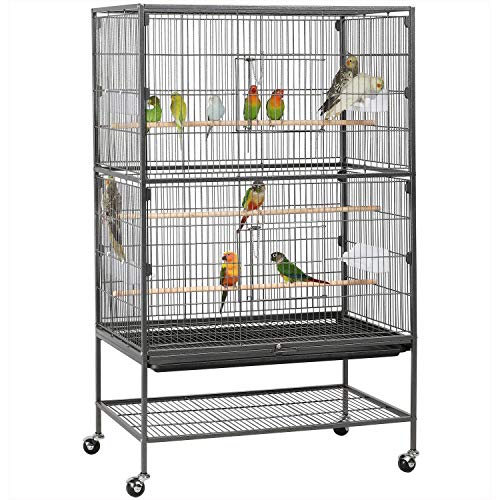
If you’ve noticed a sudden sprinkle of tiny feathers around your parakeet’s cage and your bird seems a bit quieter than usual, you’re likely witnessing a molt. Molting is a completely normal, healthy process where your parakeet sheds old, worn feathers and replaces them with fresh ones. It can look alarming at first, but with the right knowledge, you can help your feathered friend sail through this period comfortably. Let’s dive into the most common questions parakeet owners have about molting.
How Often Do Parakeets Molt?
Most parakeets go through a major molt once or twice a year, typically in the spring and fall. However, young parakeets will have their first molt around 3 to 4 months old, where they lose their baby feathers and grow their adult plumage. This first molt can be more dramatic and may leave your bird looking a bit scruffy. After that, expect a lighter, partial molt more frequently, especially if your home has stable temperatures and artificial lighting that mimics longer days. It’s completely normal for molting to last anywhere from two to eight weeks depending on the bird and the season.
What Are the Signs My Parakeet Is Molting?
You’ll see more than just loose feathers. Your parakeet might be a little irritable, sleep more than usual, or seem less interested in playing. You may also notice small, white, pin-like shafts poking through the skin on their head or wings. These are called pin feathers, and they are the new feathers growing in. Each pin feather has a blood supply inside the shaft, which is why they can be sensitive to the touch. Your bird will spend extra time preening to break open the keratin sheath and release the new feather. If you see a lot of pin feathers on the head, your parakeet may appreciate a gentle scratch from you, but be very careful as those pins are tender.
A healthy adult parakeet has about 2,000 to 3,000 feathers. During a heavy molt, they can lose and regrow a significant portion of these in just a few weeks. That’s a lot of new feather growth!
How Can I Help My Parakeet Through a Molt?
Your parakeet needs extra protein to grow strong, healthy feathers because feathers are made mostly of protein. Offer small amounts of cooked egg (mashed with the shell for calcium), a bit of millet, or a high-quality seed mix. A balanced diet is key, and you can ensure your bird gets the right nutrients with a trusted staple like the Expert Pick: Kaytee Parakeet Food Blend, which provides a good foundation of seeds, grains, and added vitamins. Also, make sure your parakeet has access to a gentle bird bath or a shallow dish of lukewarm water a few times a week. Bathing helps soften the keratin sheaths on new feathers, making them easier to preen off. You can also mist them lightly with a spray bottle. Check out the 2026 Ringneck Parakeet Bird Baths: Best Picks & Guide for ideas on bath options that work well for smaller parakeets too.
Is It Normal for My Parakeet to Be Grumpy or Lethargic?
Absolutely. Growing new feathers takes a lot of energy, and the pin feathers on their head can be quite sensitive. Your normally chatty and active parakeet might be a bit withdrawn, sleep more during the day, or even nip at you when you try to pet them. This is temporary. Be patient and give them extra quiet time. Avoid forcing handling, especially around the head and neck where the pin feathers are most concentrated. A good night’s sleep is crucial, so consider covering the cage earlier than usual to ensure they get 10 to 12 hours of undisturbed rest. A Keep Your Ringneck Parakeet Cozy with the Best Cage Cover can create a dark, secure environment that helps them feel safe and recover faster.
“A parakeet in molt is like a teenager going through a growth spurt. They need more food, more rest, and a little more understanding.”
Should I Worry About Bald Spots or Blood Feathers?
Small bald spots are normal, especially around the head and neck, because your bird can’t reach those areas to preen the sheaths off themselves. However, if you see a bare patch of skin that looks red, irritated, or if your parakeet is pulling out feathers aggressively, that could be a sign of something else, like mites, illness, or feather plucking. One thing to watch for is a blood feather. These are new feathers that still have a dark, visible blood supply in the shaft. If a blood feather breaks, it can bleed. If you see a broken blood feather, you should contact your avian vet immediately for guidance. Never try to pull a blood feather yourself unless you are trained, as it can cause serious pain and bleeding.
Does My Parakeet Need Extra Supplements During Molting?
While a good diet covers most needs, some parakeets benefit from extra calcium, especially if they are breeding or have had a heavy molt. Calcium supports muscle function and feather structure. You can offer a cuttlebone or a mineral block in the cage at all times. For a more targeted boost, you might consider a supplement like the Boost Breeding Success with Top Calcium for Ringneck Parakeets, which can also support molting birds by ensuring they have enough calcium for strong new feather growth. Always introduce any supplement gradually and consult your vet if you have concerns about your bird’s health or appetite during molt.
Molting is a sign that your parakeet is growing and healthy. By providing a calm environment, a protein-rich diet, and gentle care, you’ll help them get through this natural process smoothly. Before you know it, your parakeet will be back to their bright, smooth-feathered self, chirping and playing as usual.