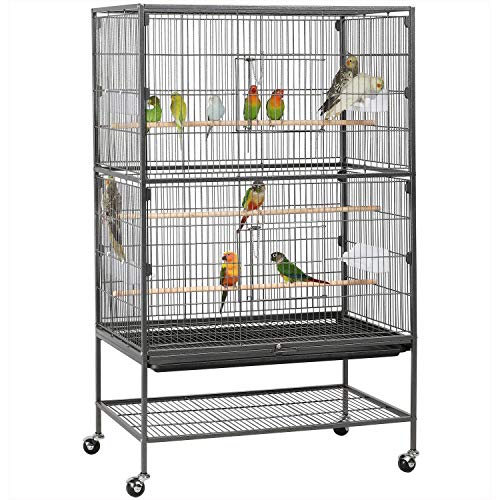
You love watching your parakeet chirp, preen, and explore. But sometimes, even with the best care, a vitamin deficiency can sneak in. These little birds hide illness well, so knowing what to look for is key. Deficiencies in vitamin A, D3, B-complex, and calcium are the most common. They can cause feather problems, low energy, and even serious illness. The good news? You can prevent most of them with the right diet and a bit of know-how. Let’s walk through each one so you can keep your bird healthy and happy.
Vitamin A Deficiency: The Most Common Problem
Vitamin A is essential for your parakeet’s skin, feathers, eyes, and respiratory tract. A lack of it often shows up as dry, flaky skin, dull feathers, or crusty nostrils. You might also see swollen eyes or sneezing. Many parakeets get too many seeds and not enough veggies. Seeds are low in vitamin A. To fix this, offer dark leafy greens like kale, and orange veggies like cooked sweet potato or carrot. A little goes a long way. If your bird seems off and you notice these signs, it is smart to check in with your vet. For more on general health cues, you can read about signs of illness in ringneck parakeets since many symptoms overlap.
Wild parakeets eat a huge variety of plants and seeds. In captivity, a seed-only diet is like you eating only crackers every day. Adding fresh foods mimics their natural diet and prevents deficiencies.
Vitamin D3 Deficiency: The Sunshine Vitamin
Vitamin D3 helps your parakeet absorb calcium. Without it, bones can become weak, and egg-laying females can develop life-threatening egg binding. Parakeets get D3 from sunlight or full-spectrum lighting. If your bird lives indoors without a special UVB bulb, it is at risk. Signs include lethargy, soft or bent bones, and trouble perching. You can help by placing the cage near a window (but not in direct sun, which can overheat) or by using a bird-safe UVB light for a few hours a day. A balanced pellet diet also has added D3. If you are setting up a new home for your bird, check ringneck parakeet cage size requirements for tips on where to place the cage for good light exposure.
B-Complex Vitamin Deficiency: Energy and Nerves
B vitamins, especially B1 (thiamine), B2 (riboflavin), and B12, are vital for your parakeet’s metabolism and nervous system. A deficiency can cause weakness, tremors, head tilting, or even seizures. It often happens when a bird eats only old, stale seeds. Seeds lose B vitamins over time. Fresh seeds, sprouted seeds, and leafy greens are excellent sources. You can also offer small amounts of cooked egg or nutritional yeast. If your bird seems uncoordinated or wobbly, see a vet right away. A balanced diet is the best prevention. For more on building a strong bond through training and care, you might like how to train a ringneck parakeet to talk, which also covers positive reinforcement and healthy routines.
“A parakeet’s diet is the foundation of its health. A few fresh veggies a day can save you a trip to the vet.”
Calcium Deficiency: A Silent Threat
Calcium is crucial for strong bones, muscle function, and eggshell formation. Low calcium can cause weak legs, feather plucking, and egg binding in females. Signs include a bird that sits on the cage floor or has trouble gripping perches. The main cause is a diet too high in phosphorus (from seeds) and too low in calcium. Offer cuttlebone, mineral blocks, and calcium-rich greens like collard greens or bok choy. Pellets are also balanced. If you have a breeding pair, calcium needs are even higher. You can learn more about this in the guide on ringneck parakeet breeding behavior for extra tips on supporting egg-laying birds.
How to Prevent Deficiencies with Diet
The best way to avoid vitamin deficiencies is to feed a varied diet. A good rule is 60 to 70 percent high-quality pellets, 20 to 30 percent fresh veggies and fruits, and only 10 percent seeds. Rotate veggies each week: try spinach, bell pepper, broccoli, and carrot. Avoid avocado, chocolate, and caffeine, which are toxic. Always wash fresh produce. Offer water in a clean bowl daily. If your bird is picky, chop veggies very small or mix them with a little millet. Over time, they will learn to try new foods. Patience is key.
When to See a Vet
If you notice any signs like fluffed feathers, weight loss, changes in droppings, or unusual behavior, do not wait. Vitamin deficiencies can look like other illnesses. A vet can run simple tests and recommend supplements if needed. Never give human vitamins to your bird unless a vet says it is okay. Many are too strong and can cause harm. Your parakeet depends on you to notice the small changes. Stay observant, offer variety, and you will both enjoy many happy years together.