Soothe Your German Shepherd’s Stomach: Best Food Picks
The right food can calm a sensitive German Shepherd stomach. Discover why single protein and probiotics matter, plus top picks like Purina Pro Plan Salmon and Rice.
Some links below are affiliate links. If you buy through them we may earn a small commission at no extra cost to you. Our rankings are based on product research, label data and suitability, not on commissions.
Of dogs with food issues show skin or stomach signs
⚡ Key takeaways
Best Overall: Purina Pro Plan Sensitive Skin and Stomach Salmon and Rice. A vet-favorite formula built around salmon as the first ingredient with oatmeal and rice f.
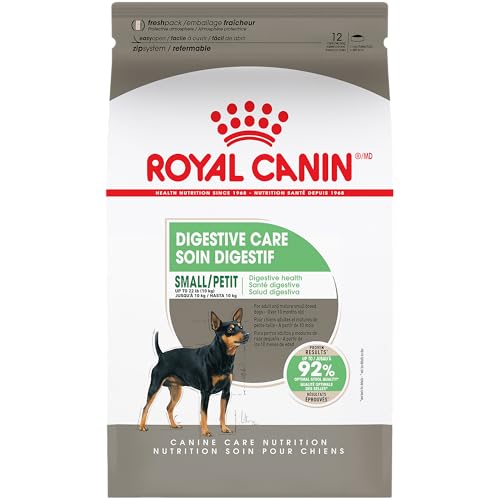
Best for Digestion: Royal Canin Digestive Care Dry Dog Food. Engineered specifically for dogs with sensitive digestion, with a precise blend of fibers.
Best Budget: Eukanuba Sensitive Digestion Adult Dry Dog Food. Offers prebiotic fiber and beet pulp for steady digestion at a more accessible price point.
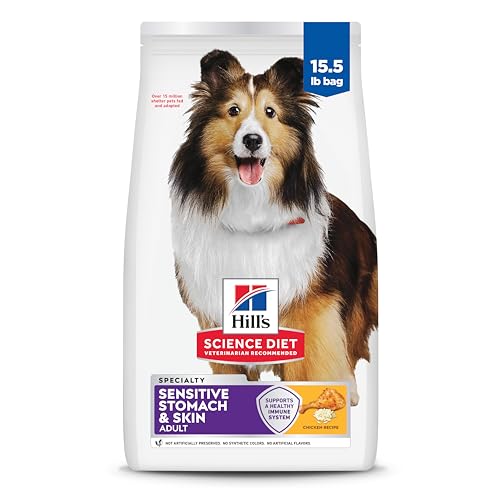
Best Premium: Hill's Science Diet Sensitive Stomach and Skin Adult. A clinically informed recipe with prebiotic fiber, vitamin E, and omega-6 fatty acids to s.
Runner-Up: Blue Buffalo Basics Limited Ingredient Lamb and Potato. A limited ingredient diet using a single animal protein and easily digested carbs, ideal f.
Quick answer
For German Shepherds with sensitive digestion, our top three picks are Purina Pro Plan Sensitive Skin and Stomach for the best all-around balance of digestible protein and live probiotics, Royal Canin Digestive Care for targeted gut support and a breed-friendly kibble, and Blue Buffalo Basics Limited Ingredient when you need a short, simple recipe that calms reactive tummies.
What to consider for a sensitive German Shepherd
German Shepherds are prone to loose stools, gas, and food sensitivities, so the recipe matters more than the marketing. Look for a single named animal protein such as salmon, lamb, or turkey, plus added prebiotic fiber and probiotics to steady the gut. Many sensitive dogs do better with limited ingredient diets that drop common irritants. Watch portion size and transition new food slowly over seven to ten days, and ask your vet to rule out medical causes if symptoms continue.
How we picked
We focused on highly digestible, vet-trusted formulas with clear ingredient panels and a track record with large breeds. We compared protein sources, fiber and probiotic content, fat levels suited to a working dog, and real owner feedback on stool quality and skin. Budget and premium options are both included so you can match the food to your dog and your wallet.
For German Shepherds with sensitive stomachs, a single digestible protein paired with prebiotics and probiotics usually matters more than brand prestige, and slow transitions protect the gut during any change.
The Options
Types Explained
Sensitive stomach and skin formulas
Dual-purpose dry foods that pair digestible protein with omega fatty acids and prebiotic fiber to ease both gut and coat issues at once.
Best for: Shepherds with loose stools plus itchy or flaky skin
Limited ingredient diets
Recipes built on one animal protein and a single easy carb, removing common triggers to simplify digestion and help identify sensitivities.
Best for: Dogs suspected of food reactions or intolerances
Digestive care therapeutic blends
Formulas tuned with specific fiber and protein ratios to support stool quality and nutrient absorption in dogs with ongoing tummy trouble.
Best for: Persistent digestive upset needing structured support
Novel and fish-based proteins
Salmon, whitefish, or other less common proteins that many sensitive dogs tolerate well while adding gut and skin benefits.
Best for: Shepherds reacting to chicken or beef
The Rankings
Top 5 Picks
#1
Best Overall
Purina Pro Plan Sensitive Skin and Stomach Salmon and Rice
View on Amazon
A vet-favorite formula built around salmon as the first ingredient with oatmeal and rice for easy digestion. It adds live probiotics and omega-rich fish oil to support both gut and coat, which helps Shepherds prone to itchy skin and loose stools.
Engineered specifically for dogs with sensitive digestion, with a precise blend of fibers and highly digestible proteins to firm up stool. The kibble texture and nutrient balance suit large breeds, making it a solid match for a German Shepherd.
Offers prebiotic fiber and beet pulp for steady digestion at a more accessible price point. Chicken-based and fortified for daily feeding, it is a dependable everyday option for owners managing cost without dropping quality.
Hill's Science Diet Sensitive Stomach and Skin Adult
View on Amazon
A clinically informed recipe with prebiotic fiber, vitamin E, and omega-6 fatty acids to support gut and skin together. The gentle, highly digestible formula is widely recommended by vets for dogs with combined stomach and coat sensitivities.
Blue Buffalo Basics Limited Ingredient Lamb and Potato
View on Amazon
A limited ingredient diet using a single animal protein and easily digested carbs, ideal for ruling out common irritants. It skips chicken, corn, wheat, and soy, which can help reactive German Shepherds settle into calmer digestion.
Choose one clearly named animal protein such as salmon, lamb, or turkey. Single-source proteins are easier on the gut and make it simpler to spot what your Shepherd reacts to.
02
Prebiotics and probiotics
Live probiotics and prebiotic fibers like beet pulp or chicory root help balance gut bacteria, firm up stool, and reduce gas in dogs with sensitive digestion.
03
Limited or simple ingredients
Shorter recipes that drop common irritants such as corn, wheat, soy, and artificial additives lower the odds of a flare and make elimination easier.
04
Appropriate fat and calories
German Shepherds are active, but too much fat can upset a sensitive stomach. Look for moderate, well-balanced fat from quality sources like fish oil.
05
Large breed suitability
Kibble size, calcium balance, and joint support matter for a big working breed. Pick formulas that suit large dogs alongside the sensitive stomach focus.
Living With It
Care, Cost and Maintenance
Transition food gradually
Switch over seven to ten days, mixing increasing amounts of the new food with the old. A slow change lets the gut adjust and avoids triggering diarrhea or vomiting.
Feed measured, consistent meals
Split the daily amount into two meals at set times and weigh portions. Steady routines and correct quantities reduce bloat risk and keep digestion predictable.
Track stool and skin changes
Note stool firmness, gas, and coat condition after any change. If loose stools, vomiting, or itching persist beyond a couple of weeks, consult your vet to rule out medical causes.
Pro tip
Transition new food over seven to ten days and keep a simple stool and skin log so you can quickly spot which formula truly agrees with your Shepherd.
Frequently asked questions
What is the best food for a German Shepherd with a sensitive stomach?
There is no single answer for every dog, but Purina Pro Plan Sensitive Skin and Stomach is a strong all-around choice thanks to digestible salmon, rice, and added probiotics. Royal Canin Digestive Care and limited ingredient diets are good alternatives. Confirm the right fit with your vet.
Are limited ingredient diets better for sensitive German Shepherds?
They can be, because shorter recipes with one protein and one carb make it easier to avoid and identify triggers. Options like Blue Buffalo Basics or Nutro Limited Ingredient suit dogs reacting to common ingredients, though not every sensitive dog needs one.
Should I choose fish-based food for my German Shepherd?
Fish proteins like salmon are often well tolerated and add omega fatty acids that support gut and skin. They are a smart pick for Shepherds that react to chicken or beef, but introduce any new protein gradually and watch for reactions.
How long does it take to see digestion improve after switching food?
Many owners notice firmer stools within two to four weeks once the gut adjusts. Transition slowly over seven to ten days. If there is no improvement after about a month, talk to your vet about underlying causes.
Can probiotics really help my dog's sensitive stomach?
Probiotics and prebiotic fibers can support a healthier gut balance, firmer stool, and less gas in many dogs. They are a helpful part of a sensitive stomach formula, though they are not a cure for ongoing or serious digestive problems.
When should I see a vet about my German Shepherd's digestion?
See your vet if loose stools, vomiting, weight loss, or low energy last more than a couple of days or keep returning despite a gentle diet. Persistent issues can signal allergies, parasites, or other conditions needing diagnosis.
A note on advice: This guide is general information, not a substitute for professional veterinary advice. Talk to your vet before changing your dog's diet or care routine, especially if your dog has allergies, kidney disease, pancreatitis, obesity, heart disease or any other medical condition.
Transparency
How we made this guide
How we chose. We compared the options on the factors that matter most for Dog Food, using manufacturer specifications, aggregated verified owner reviews and editorial comparison. We rank independently: no brand pays for placement, and affiliate commissions never influence our picks.
How it was written. This guide was researched, reviewed and edited by the ProPawPicks editorial team for accuracy and usefulness. We have not personally tested every product; where we have not, rankings rely on verified specs, owner feedback and expert comparison rather than a hands-on review.
Affiliate disclosure. ProPawPicks is reader-supported. If you buy through links on our site, we may earn a commission at no extra cost to you. See our affiliate disclosure.
Some links below are affiliate links. If you buy through them we may earn a small commission at no extra cost to you. Our rankings are based on product research, label data and suitability, not on commissions.