You know the scene: you fill the bowl, turn around, and the food is gone. Your dog looks up at you, tail wagging, wondering where the rest is. This isn’t just messy, it can be dangerous. Dogs that inhale their food are at high risk for choking, bloat (gastric dilatation-volvulus), and chronic digestive upset. The good news is that you can teach your dog to slow down with a few simple changes. Here is exactly how to feed a dog that inhales food too fast, with tools and techniques that actually work.
Why Speed Eating Is a Real Danger
When a dog gulps down kibble without chewing, they swallow a lot of air along with the food. This can cause uncomfortable gas, vomiting, or a condition called bloat, which is a life-threatening emergency where the stomach twists. Even if your dog is a healthy breed like a Bernese Mountain Dog, speed eating is a risk factor you want to avoid. The first step is recognizing that this is a behavior issue, not a hunger issue. Your dog isn’t starving, they are just wired to compete for food, a leftover instinct from their wild ancestors.
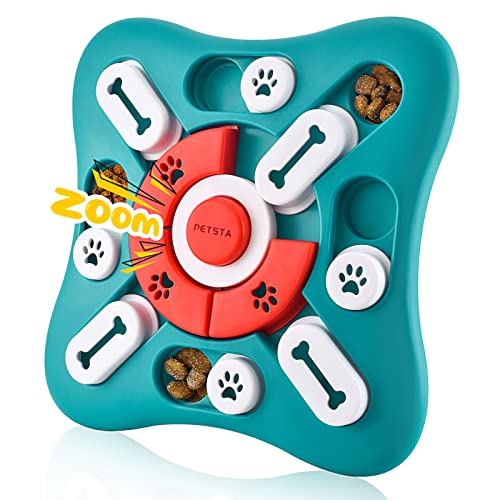
Use a Slow Feeder Bowl or Puzzle Feeder
The easiest fix is to change the bowl itself. Slow feeder bowls have raised ridges, mazes, or obstacles that force your dog to work around them to get each piece of kibble. This can triple the time it takes to finish a meal. You can also use a puzzle feeder, which is a toy that dispenses food as your dog pushes or rolls it. These are especially good for intelligent breeds that need mental stimulation. If you have a multi-pet household and are wondering about cat-dog dynamics, you might also check out whether Norwegian Forest Cats get along with dogs, as separate feeding stations can reduce competition and speed eating.
Spread Food Out on a Flat Surface
If you don’t have a special bowl, try the cookie sheet method. Spread your dog’s kibble in a single layer on a large baking sheet or a muffin tin. The flat surface prevents them from scooping up mouthfuls, and they have to pick up each piece individually. For wet food, you can smear it on a Lickimat or inside a Kong toy. This not only slows them down but also turns mealtime into a calming activity. A slow, calm meal is better for digestion and can even help with behavior issues like resource guarding.
Freeze your dog’s wet food in a Kong or a silicone mold. It takes them 20 to 30 minutes to lick it out, which is great for cooling them down on a hot day and slowing them way down.
Hand Feeding for Bonding and Control
Hand feeding is one of the most underrated tools. Instead of dumping food in a bowl, feed your dog one handful at a time, asking for a simple behavior like a sit or a down before each handful. This teaches impulse control and builds trust. It also lets you monitor their eating pace directly. If you have a large breed like a Bernese Mountain Dog, hand feeding a portion of their meal can also be a great way to reinforce training without adding extra calories. It takes more time on your end, but it is a powerful bonding experience.
Add a Large, Clean Object to the Bowl
Place a clean, dog-safe object like a large smooth stone or a stainless steel ball (sold as a “slow feeder ball”) right in the middle of the food bowl. Your dog has to eat around it, which naturally slows them down. Make sure the object is too big to swallow and is dishwasher safe for hygiene. This is a zero-cost trick if you already have a suitable object at home. Just supervise the first few meals to make sure your dog doesn’t try to pick up the object.
“A dog that eats slowly is a dog that digests happily, and a happy dog makes for a peaceful home.”
Feed Smaller, More Frequent Meals
Instead of one or two large meals, split your dog’s daily portion into three or four smaller meals. A hungry dog is more likely to inhale food, so keeping their stomach partially satisfied throughout the day reduces that frantic drive. This is especially important for deep-chested breeds prone to bloat. If you are also dealing with a messy eater who drools, you might find it interesting to read why Bernese Mountain Dogs drool so much, as some drooling is normal but excessive drool can signal nausea from eating too fast.
When to Ask Your Vet
If you have tried multiple slow-feeding methods and your dog still inhales food, or if they vomit regularly after meals, it is time to talk to your veterinarian. There could be an underlying medical issue like exocrine pancreatic insufficiency or a metabolic disorder that increases hunger. Your vet can rule out health problems and may recommend a prescription diet that promotes satiety. Always keep your vet in the loop, especially if your dog is a breed with known health concerns, such as hip dysplasia in Bernese Mountain Dogs, where maintaining a healthy weight is crucial.
Slowing down your dog’s eating is not about being strict, it is about keeping them safe and comfortable. Start with one method today and watch your dog learn to savor their meal. Their stomach, and your peace of mind, will thank you.