You know the scene: the doorbell rings, and your dog launches into a frenzy of paws and excitement, jumping on your guest before you can say a word. It’s a common challenge, but you can absolutely teach your dog to keep all four paws on the floor. Jumping is a natural greeting behavior for dogs, but it’s one you can redirect into something calmer and more polite. Here’s a straightforward, owner-to-owner guide to help you stop your dog from jumping on people, using positive training methods that work.
Understand Why Your Dog Jumps
Dogs jump up to get closer to your face, which is their way of saying hello. It’s a social behavior, not a sign of dominance. When your dog jumps, they are seeking attention, even if that attention is a push or a scold. For many dogs, any reaction is a reward. This is especially true for high-energy breeds like Australian Shepherds, who thrive on interaction and can be quick to learn that jumping gets a response. The key is to remove the reward (attention) for jumping and give it for a better behavior, like sitting.
Teach an Incompatible Behavior: Sit
The most effective way to stop jumping is to teach your dog something they cannot do while jumping: sit. A dog cannot sit and jump at the same time. Start training in a calm environment at home. Have treats ready, and ask your dog to sit before you greet them. When they sit, say “yes” and give a treat. Practice this every time you come through the door, even if you just stepped out for a minute. Once your dog reliably sits for you, start practicing with family members. Ask a friend to knock, and if your dog stays seated, the friend can calmly enter and offer a treat. If your dog jumps, the friend should turn and walk away. This teaches that jumping makes people leave, while sitting makes them stay.
Manage the Environment to Set Your Dog Up for Success
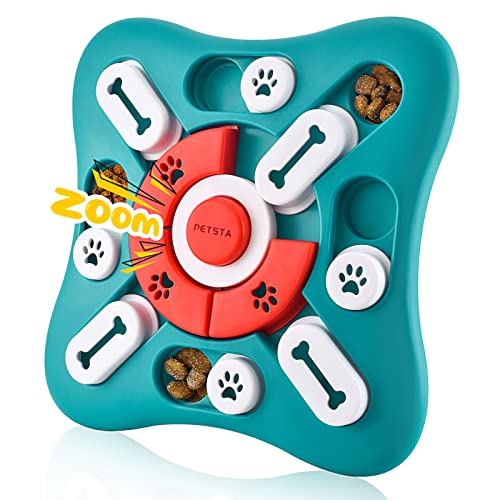
While you’re training, use management tools to prevent practice of the jumping behavior. Keep a leash on your dog when guests arrive, so you can step on it to prevent jumping without pulling. You can also use a baby gate to keep your dog in another room until they are calm. For enthusiastic dogs, especially those like Cane Corsos who are large and strong, management is crucial to avoid overwhelming visitors. Another great tool is to provide a distraction, like a puzzle toy stuffed with treats, to keep them busy while you answer the door. This redirects their energy into a calm, focused activity.
Dogs jump to lick faces as a greeting, a behavior they learn from their mother as puppies. By teaching a sit, you are honoring that social instinct in a more human-friendly way.
Use the “Four on the Floor” Rule
Make a clear rule: your dog gets no attention unless all four paws are on the floor. This means no eye contact, no talking, and no touching when they jump. Cross your arms, turn your back, and be a statue. The moment your dog stops jumping and has all four paws down, calmly turn around, say “good dog,” and offer a treat or gentle pet. If they jump again, repeat the statue move. This can take many repetitions, but it works because it teaches your dog that calmness brings rewards. Be consistent with everyone who enters your home, including delivery people if possible, by posting a sign that says “Dog in training, please ignore if jumping.”
Practice Greetings with Friends and Family
Set up practice sessions with people your dog knows but is excited to see. Have the person approach slowly, and if your dog stays seated, they can greet with a calm, low voice and a treat. If your dog stands up or jumps, the person should immediately step back and wait. This teaches your dog that jumping makes the person go away, while sitting makes them come closer. For dogs that are very excitable, like many herding breeds, you might need to practice this dozens of times before it sticks. Patience is your best tool. Also, consider your dog’s energy level; a tired dog is less likely to jump. A good walk or a session with a puzzle toy before guests arrive can work wonders.
“A calm dog learns best. Your patience today builds a polite dog for tomorrow.”
What to Avoid: Common Mistakes
Never knee your dog in the chest or use physical punishment to stop jumping. This can hurt your dog and damage your trust. It can also make the problem worse, as some dogs interpret rough handling as play. Avoid shouting or pushing, as these are forms of attention that can reinforce the behavior. Also, don’t give up after a few tries. Training takes time, especially for adult dogs who have been jumping for years. Stay consistent, and remember that every interaction is a training moment. If your dog is particularly stubborn or you have a large breed like a Cane Corso, consider working with a professional positive-reinforcement trainer. They can offer personalized guidance and help you troubleshoot.
Generalize the Behavior to All Situations
Your dog needs to learn that the “four on the floor” rule applies everywhere, not just at home. Practice on walks when your dog gets excited to see another person. Ask them to sit before the person approaches. If they jump, walk away. With time, your dog will learn that calm sitting is the best way to get greetings from anyone. This is especially important for breeds that are naturally social, like Australian Shepherds, who love meeting new people. Remember to always carry treats and be ready to reward good behavior. Over time, you’ll notice your dog offering a sit automatically when someone approaches, and that is a beautiful thing.