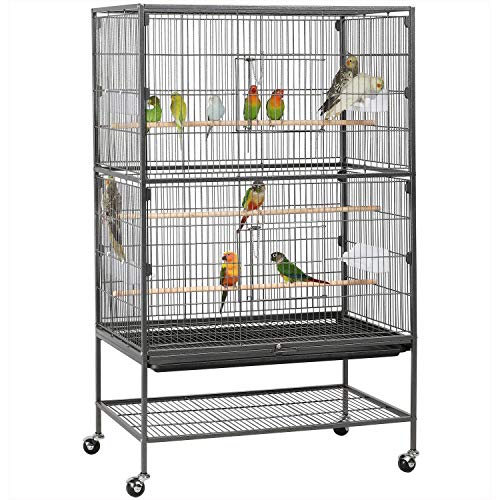
Seeing your parakeet shake can be alarming. You might worry it’s sick, scared, or something worse. The truth is, parakeets shake for many reasons, and not all of them are bad. Sometimes they are just happy, warming up, or settling in for a nap. But other times, shaking can signal a problem that needs attention. In this guide, we will walk through the most common causes of shaking in parakeets, from the harmless to the serious, so you can feel confident about what you are seeing and know what to do next.
1. Normal Shaking: Preening, Stretching, and Happy Vibrations
Parakeets often shake their bodies and wings as part of their daily routine. After preening, they fluff up and give a full-body shake to realign their feathers. This is completely normal and looks like a quick, vigorous shiver. You might also see a happy shake when they see you after a long day or hear a favorite sound. Some birds even do a little “happy dance” that includes a wing lift and a tremble. These shakes are usually brief and your bird will quickly return to a relaxed posture. If your parakeet is eating well, playing, and otherwise acting normal, a quick shake after grooming is nothing to worry about.
2. Temperature: Too Cold or Too Hot
Parakeets are sensitive to temperature changes. If your bird is shaking and fluffing its feathers up to look round, it is likely trying to trap body heat because it is cold. The ideal room temperature for a parakeet is between 65 and 80 degrees Fahrenheit. Drafts from windows, air conditioning vents, or open doors can make them shiver. On the flip side, if your bird is holding its wings away from its body and panting while shaking, it may be too hot. Make sure the cage is not in direct sunlight or near a heater. A good cage cover can help keep your bird warm at night and block drafts. If the shaking stops when you adjust the temperature, that was likely the cause.
Place a thermometer near your parakeet’s cage to monitor the temperature. Birds are masters at hiding discomfort, so a simple check can prevent a chill before it becomes a problem.
3. Fear, Stress, or Excitement
Parakeets are prey animals, so they startle easily. A sudden loud noise, a new pet in the house, or even a new toy can cause a trembling response. If your bird is shaking and also crouching low, holding its feathers tight against its body, or trying to hide, it is likely scared. Give it space and time to adjust. On the other hand, some parakeets shake with pure excitement, like when you bring out a favorite treat or a new rope perch. Excitement shakes are usually accompanied by chirping, head bobbing, and bright eyes. If the shaking is paired with hissing, biting, or backing away, it is stress, not joy. Reduce stressors by keeping the cage in a quiet corner and covering part of it to create a safe hideout.
4. Health Issues: When Shaking Is a Red Flag
While many shakes are harmless, persistent or unusual trembling can indicate an underlying health problem. Respiratory infections, nutritional deficiencies, parasites, or even poisoning can cause tremors. If your parakeet is shaking and also showing other symptoms like tail bobbing (a sign of labored breathing), sneezing, discharge from the eyes or nose, fluffed feathers for long periods, loss of appetite, or changes in droppings, you should contact an avian vet promptly. A common deficiency in parakeets is calcium, which is vital for nerve and muscle function. Low calcium can cause muscle tremors and weakness. A good calcium supplement can help, but always check with your vet before adding anything to your bird’s diet. Never try to treat shaking at home without a proper diagnosis.
“A healthy parakeet is an active, curious bird. If your bird is shaking and also sitting still, not eating, or hiding, trust your gut and call the vet.”
5. Molting and Feather Adjustments
Molting is a natural process where parakeets shed old feathers and grow new ones. During this time, you may notice your bird shaking more often. This is because new feather shafts (pin feathers) are sensitive and itchy, and shaking helps the bird realign them. Molting can also be uncomfortable and a little stressful, which may cause some mild trembling. You can help by offering a shallow bird bath to soothe the skin and keep feathers clean. A balanced diet with good protein and vitamins supports healthy molting. The Expert Pick: Kaytee Parakeet Food Blend is a great base diet that includes essential nutrients for feather health. If the shaking is mild and your bird is still eating and playing, molting is likely the cause.
6. Sleep and Resting Shivers
Parakeets sometimes shake just before falling asleep or when they are in a deep, relaxed state. You might see a gentle, rhythmic tremor in their wings or tail as they doze off. This is similar to how humans twitch when drifting off. If your bird is perched on one foot, fluffed up, and eyes closed, a little shake is perfectly normal. Make sure your parakeet gets 10 to 12 hours of uninterrupted sleep each night in a dark, quiet room. A consistent sleep schedule helps prevent stress-related shaking. If the shaking is only happening at rest and your bird is active during the day, there is no cause for concern.
When to Worry and What to Do
If your parakeet is shaking constantly, seems weak, cannot perch properly, or has tremors that affect its balance, seek veterinary help immediately. Keep a log of when the shaking happens, what your bird was doing, and any other symptoms. This information is very helpful for your vet. In the meantime, ensure your bird’s environment is warm, quiet, and free from drafts. Offer fresh water and a healthy diet. Do not assume it is just a cold or stress without a professional opinion. Your parakeet depends on you to notice the subtle signs, and you are doing a great job by paying attention.