Quick answer
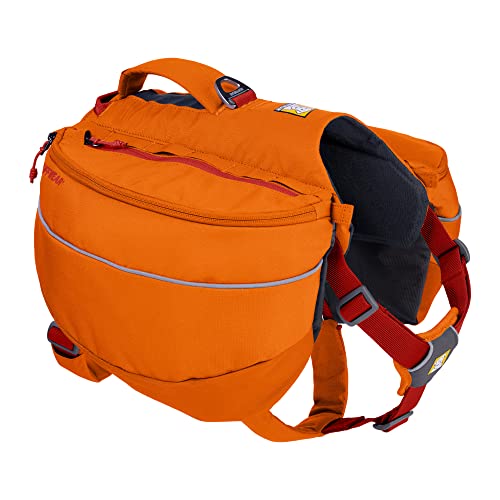
Our top pick for first-time owners is the Ruffwear Approach Pack. It offers a balanced fit, durable construction, and saddlebag design that distributes weight evenly. For budget-conscious owners, the OneTigris Dog Backpack is a solid alternative with good value. If you have a small dog, the Kurgo K9 Backpack provides a secure fit and ample storage.
What to consider for Dog Backpack For First Time Owners
When choosing a first dog backpack, consider your dog’s size, age, and activity level. The backpack should fit snugly without restricting movement or breathing. Look for adjustable straps, padded chest and belly bands, and lightweight materials. Start with empty packs and gradually add weight (no more than 10 to 15 percent of your dog’s body weight) to avoid strain. Also consider the climate: mesh panels can help with ventilation in warm weather.
What to look for in a gear item (harness, collar, leash or muzzle)
Correct fit and sizing are crucial: measure your dog’s girth and neck, and check the manufacturer’s size chart. Durable hardware and materials, such as reinforced stitching and rust-resistant buckles, ensure longevity. Safety features include reflective trim for visibility, escape-proof design with multiple adjustment points, and no-choke construction that distributes pressure evenly. Comfort and padding, especially on the chest and belly, prevent chafing. A no-pull design, like a front clip, can help with leash manners during training.
How we chose these picks
- Evaluated fit and adjustability for various body shapes
- Assessed material quality and hardware durability
- Considered safety features like reflective elements and escape resistance
- Reviewed comfort padding and breathability
- Checked weight capacity and recommended load limits
- Compared price and value across brands
- Read customer feedback on sizing accuracy and real-world use
- Never ranked a product higher just because it pays a commission
What to avoid
- Ill-fitting sizes: a loose pack can shift and cause discomfort or injury
- Flimsy clips that fail on strong dogs, especially during hikes
- Aversive tools used without professional guidance, such as prong collars attached to packs
- Retractable leashes near traffic, as they reduce control and can cause accidents
For more guidance, check our dog guides and explore dog care products or dog nutrition.


