Quick answer
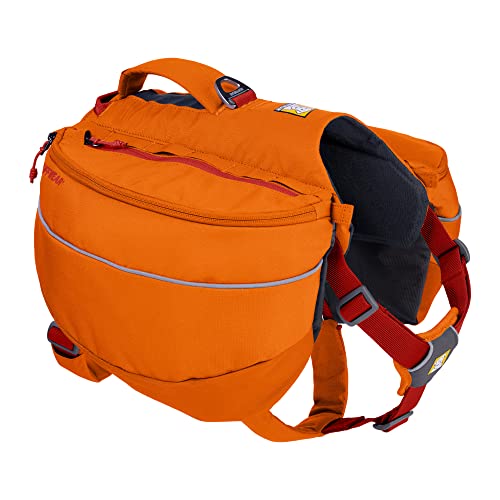
The Ruffwear Approach Pack is our top pick for training because its low-profile design and balanced saddlebags encourage a steady gait without restricting movement. For budget-conscious owners, the OneTigris Dog Backpack offers similar features at half the price. If your dog pulls, the Kurgo Baxter Pack includes a front clip for no-pull training.
What to consider for Dog Backpack For Training
A training backpack should fit snugly without chafing and distribute weight evenly to avoid strain. Look for adjustable straps around the chest and belly, breathable mesh lining, and enough pockets for small items like water bottles or training treats. The pack must not interfere with your dog’s natural stride or cause overheating. Start with light loads (5 to 10 percent of body weight) and gradually increase as your dog builds muscle and endurance.
What to look for in a gear item (harness, collar, leash or muzzle)
For a dog backpack, correct fit is critical: measure your dog’s girth (around the widest part of the ribcage) and length from neck to tail. Durable hardware like reinforced stitching and metal buckles prevents breakage on strong pullers. Safety features include reflective trim for low-light visibility and a handle for quick control. Padding on the chest and back prevents rubbing, and a no-pull design with a front D-ring can help discourage pulling while the pack is worn.
How we chose these picks
- Evaluated fit adjustability for various body shapes (deep chested, barrel chested, svelte).
- Checked load capacity and weight distribution design.
- Prioritized breathable, moisture-wicking materials to prevent overheating.
- Assessed durability of seams, zippers, and attachment points.
- Considered safety features like reflective elements and handle.
- Read verified buyer feedback for real-world sizing and performance.
- Compared price to feature set for value.
- Never ranked a product higher just because it pays a commission.
What to avoid
- Ill-fitting sizes that shift or rub: always measure your dog before buying.
- Flimsy plastic clips that can break under load or during rough play.
- Aversive tools like choke chains or prong collars used without professional guidance.
- Retractable leashes near traffic or when your dog is wearing a backpack, as they reduce control.
For more help, see our dog guides, dog care products, and dog nutrition articles.


