Quick answer
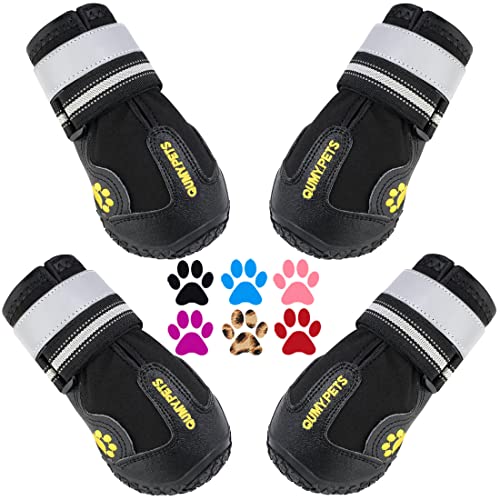
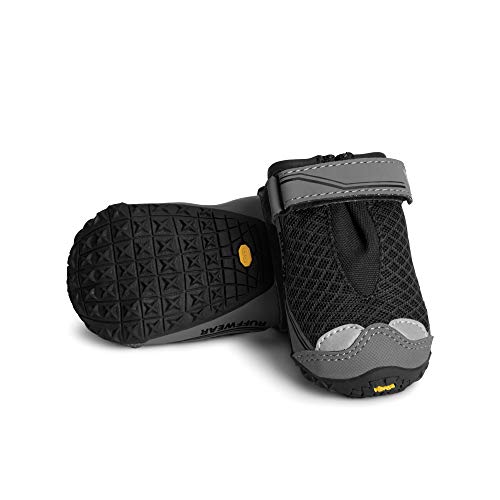
For most Labradors, the Ruffwear Grip Trex boots are our top pick due to their rugged Vibram sole, secure closure, and excellent traction on varied terrain. If you need a more budget-friendly option, the Muttluks Fleece-Lined boots offer warmth and simplicity, though they lack the heavy-duty outsole. For deep snow, the Ultra Paws Durable Dog Boots provide extra coverage and a non-slip sole.
What to consider for Dog Boots For Labradors
Labradors are active, energetic dogs with large, webbed paws that need boots offering both protection and flexibility. Key considerations include measuring paw width and length correctly, as Labs often have wide paws. Boots must stay secure during running and swimming, so look for adjustable straps and a snug fit around the pastern. Traction is critical on slippery surfaces, and breathability matters for warmer weather. Also consider the boot’s height to prevent snow or debris from entering.
What to look for in a gear item (harness, collar, leash or muzzle)
For dog boots, focus on correct fit and sizing: measure your Lab’s paw while standing, and check the manufacturer’s sizing chart. Durable materials like rubber or ballistic nylon withstand rough use. Safety features include reflective elements for visibility, escape-resistant closures (e.g., double straps or Velcro), and non-slip soles. Comfort and padding are important to prevent chafing; look for breathable liners and flexible soles that allow natural paw movement. A no-pull design is not applicable to boots, but ensure the boots do not restrict your dog’s gait.
How we chose these picks
- Evaluated boot construction and materials for durability on rough terrain.
- Checked sizing options to accommodate wide Labrador paws.
- Assessed closure systems for security and ease of use.
- Considered traction performance on wet, icy, and rocky surfaces.
- Reviewed customer feedback on fit and longevity for active dogs.
- Prioritized brands with a reputation for quality and customer support.
- Compared price versus features to offer options for different budgets.
- Never ranked a product higher just because it pays a commission.
What to avoid
- Ill-fitting sizes: boots that are too tight can cause discomfort, while loose ones can slip off or cause blisters.
- Flimsy clips or Velcro that fail on strong dogs, leading to lost boots on a walk.
- Aversive tools like prong collars used without professional guidance; for boots, avoid any that restrict circulation.
- Retractable leashes near traffic; this is a general safety tip, not specific to boots.
For more help, browse our dog guides and check out dog care products or dog health.