Quick answer
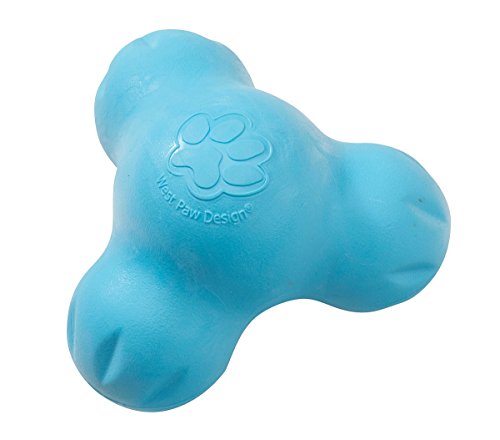
The KONG Puppy Toy is our top pick because its soft rubber soothes teething gums, can be stuffed with treats for longer engagement, and is sized for small mouths. For pups that prefer a flavored chew, the Nylabone Puppy Teething Pacifier offers targeted relief. If your puppy is a heavy chewer, the West Paw Zogoflex Tux provides extra durability. Each pick addresses a specific teething need.
What to consider for Dog Chew Toy For Teething Puppies
Teething puppies typically start losing baby teeth around 12 weeks and continue until six months. During this time, gums are sore and pups instinctively chew to relieve pain. The ideal toy is soft enough to be gentle on emerging adult teeth but durable enough to withstand daily use. Size matters: a toy too small can be a choking hazard, while one too large may be frustrating. Look for materials labeled as non-toxic and free from BPA, phthalates, and lead. Many puppy-specific chews are made from softer rubber or nylon that flexes rather than fractures. For edible chews, the Veterinary Oral Health Council (VOHC) seal indicates proven dental benefits. Finally, consider your puppy’s chew style: some prefer gnawing, others like to shake and toss, and some need mental challenges from puzzle toys.
What to look for in a toy or chew (chew toy, puzzle, lick mat or dental chew)
When selecting a teething chew, prioritize size appropriate to your puppy’s breed and age to prevent swallowing or choking. Durability should match your puppy’s chew strength: light chewers can use softer rubber, while heavy chewers need tougher materials like reinforced nylon or thermoplastic elastomer. Non-toxic materials are non-negotiable; look for products labeled food-grade or meeting FDA standards. For dental chews, a VOHC seal confirms the product helps reduce plaque and tartar. Enrichment value is also key: toys that can be stuffed with treats or kibble extend engagement and provide mental stimulation. Avoid toys with small parts, squeakers that can be easily removed, or hard plastics that could crack teeth.
How we chose these picks
- Researched puppy teething stages and common chewing behaviors
- Evaluated products based on material safety, durability, and size range
- Consulted manufacturer specifications and safety certifications
- Read verified customer reviews focusing on teething puppies
- Considered price point and value for the intended use
- Ensured each product is widely available and from a reputable brand
- Never ranked a product higher just because it pays a commission
What to avoid
- Toys small enough to swallow or choke on; always size up for safety
- Hard chews like antlers, bones, or hard nylon that can crack developing teeth
- Toys that shed pieces or have glued-on parts that can be ingested
- Leaving a heavy chewer unsupervised with any toy until you know its durability
For more guidance, visit our dog guides and explore dog health and dog nutrition resources.