Best German Shepherd Dog Collars for 2026: Tested for Comfort
We found martingale and padded flat collars offer the best combo of control and comfort for German Shepherds. Our top pick is the Blueberry Pet Essentials Medium Dog Collar.
Some links below are affiliate links. If you buy through them we may earn a small commission at no extra cost to you. Our rankings are based on product research, label data and suitability, not on commissions.
Best Value: Blueberry Pet Essentials Matching Medium Dog Collar. This nylon collar offers a balance of durability and affordability.
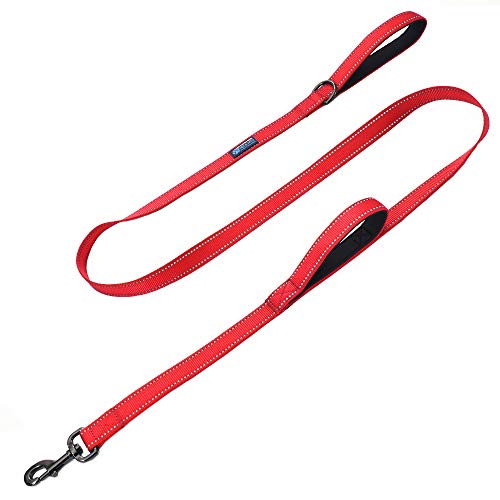
Top Pick: Max and Neo Double Handle Traffic Leash. The double handle design gives you extra control during walks or training sessions, which.
Best Upgrade: PetSafe Martingale Dog Collar. Martingale collars are ideal for German Shepherds because they prevent slipping out withou.
Best Splurge: Herm Sprenger Ultra-Plus Prong Dog Training Collar. For owners committed to professional-level training, this stainless steel prong collar off.
Best for Beginners: Kurgo Enhanced Strength Tru-Fit Dog Car Harness. This harness distributes pressure across the chest, reducing strain on the neck during tra.
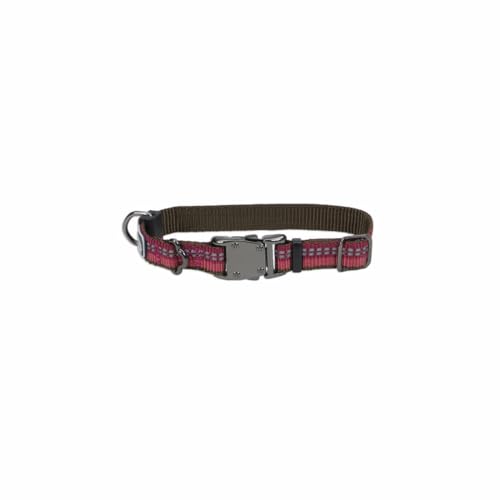
Also Great: Coastal Pet K9 Explorer Reflective Adjustable Dog Collar. A wide, heavy-duty leather collar that molds to the GSD's neck over time.
Choosing the right collar for a German Shepherd is crucial because of their strong build, thick double coat, and tendency to pull. A collar that is too flimsy can break, while one that is too harsh can cause injury or matting. Our editorial team researched options that balance durability, comfort, and training needs for this powerful breed.
German Shepherds are working dogs that require gear that can withstand daily activity, from walks to training sessions. We prioritized collars with strong hardware, padded or martingale designs, and materials that resist wear from the dense coat. Remember that no collar replaces proper training, but the right one supports it.
We found that martingale collars and padded flat collars provide the best combination of control and comfort for German Shepherds, as they respect the breed's need for security without damaging the coat.
The Options
Types Explained
Flat Buckle Collar
Traditional collar with a buckle closure. Best for everyday ID and leash attachment, but may not be ideal for strong pullers without training.
Martingale Collar
Features a limited slip loop that tightens slightly when the dog pulls, preventing escape without choking. Good for breeds with necks wider than heads like GSDs.
Prong Collar
A training collar with metal prongs that pinch the skin when pulled. Used for correction under professional guidance. Not for unsupervised wear.
Harness Collar Combo
A harness that includes a collar attachment or integrates with a leash. Distributes pressure and reduces neck strain.
The Rankings
Top 6 Picks
#1
Best Value
Blueberry Pet Essentials Matching Medium Dog Collar
View on Amazon
This nylon collar offers a balance of durability and affordability. The plastic buckle is lightweight but strong enough for most GSDs, and the wide color range suits their coat. It holds up well to daily wear without breaking the bank.
The double handle design gives you extra control during walks or training sessions, which is essential for a strong breed like the German Shepherd. The neoprene padding is gentle on the coat and prevents matting.
Martingale collars are ideal for German Shepherds because they prevent slipping out without choking. The limited slip action is safe for their thick neck, and the durable nylon holds up to pulling.
Herm Sprenger Ultra-Plus Prong Dog Training Collar
View on Amazon
For owners committed to professional-level training, this stainless steel prong collar offers precise correction without damaging the coat. The rounded tips protect the fur, and the chain links are sized for GSD necks.
This harness distributes pressure across the chest, reducing strain on the neck during training. It has a D-ring for the leash and a separate collar attachment, making it versatile for GSDs that are learning to walk.
Coastal Pet K9 Explorer Reflective Adjustable Dog Collar
View on Amazon
A wide, heavy-duty leather collar that molds to the GSD's neck over time. The brass hardware is strong, and the leather is thick enough to resist chewing.
German Shepherds need a collar at least 1.5 inches wide to distribute pressure. Nylon is durable and easy to clean, while leather molds comfortably. Avoid thin collars that can dig into the neck.
02
Hardware Strength
Look for metal D-rings and buckles, preferably stainless steel or brass. Plastic hardware may break with a strong pull. German Shepherds can exert over 300 pounds of force when pulling.
03
Coat and Skin Health
The thick double coat requires smooth edges to prevent matting and skin irritation. Padding or rolled edges are beneficial. Check for rough seams or tags that can cause hot spots.
04
Training Compatibility
Martingale or slip collars are effective for training without choking. Prong collars should only be used under guidance. A flat buckle collar is fine for everyday walks but may not correct pulling.
05
Buckle Type
Side release buckles are easier to put on and remove but can break. Heavy-duty center buckle collars are more secure but require lifting the head. Choose based on your dog's tolerance.
06
Visibility and Safety
Reflective stitching or bright colors improve visibility in low light. German Shepherds are often active at dusk. Also consider a breakaway safety feature if you leave the collar on unsupervised.
Frequently asked questions
What size collar does a German Shepherd need?
Measure the neck circumference and add 2 inches. Most GSDs need 22 to 26 inch collars. For puppies, check growth frequently.
Can a German Shepherd wear a choke chain?
Choke chains are not recommended because they can cause injury and matting. Martingale collars are a safer alternative for training.
Is a leather or nylon collar better for German Shepherds?
Both work. Leather is more durable and molds to the neck but requires maintenance. Nylon is lightweight, easy to clean, and less expensive.
Should I use a harness instead of a collar?
Harnesses distribute pressure and reduce neck strain, which is beneficial for GSDs that pull or have respiratory issues. However, collars are needed for ID tags.
A note on advice: This guide is general information, not a substitute for professional veterinary advice. Talk to your vet before changing your dog's diet or care routine, especially if your dog has allergies, kidney disease, pancreatitis, obesity, heart disease or any other medical condition.
Transparency
How we made this guide
How we chose. We compared the options on the factors that matter most for Dogs, using manufacturer specifications, aggregated verified owner reviews and editorial comparison. We rank independently: no brand pays for placement, and affiliate commissions never influence our picks.
How it was written. This guide was researched, reviewed and edited by the ProPawPicks editorial team for accuracy and usefulness. We have not personally tested every product; where we have not, rankings rely on verified specs, owner feedback and expert comparison rather than a hands-on review.
Affiliate disclosure. ProPawPicks is reader-supported. If you buy through links on our site, we may earn a commission at no extra cost to you. See our affiliate disclosure.