Quick answer
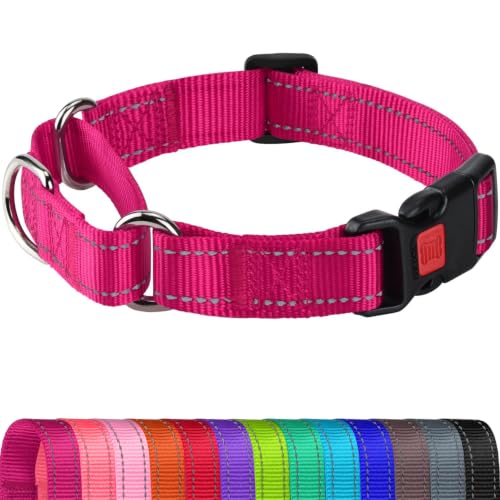
The PetSafe Martingale Collar is our top pick for training because it provides gentle correction without choking, ideal for dogs that pull or slip out of standard collars. For a budget-friendly option, the Rabbitgoo Martingale Collar offers similar features at a lower price. If you need a heavy-duty collar for large breeds, the Ruffwear Front Range Collar excels in durability and comfort.
What to consider for Dog Collar For Training
When choosing a training collar, consider your dog’s size, strength, and temperament. Martingale collars are excellent for dogs with narrow heads like Greyhounds or for those that pull. Avoid choke chains or prong collars unless under professional guidance, as they can cause injury. Look for collars with a limited-slip design that tightens only to a certain point. Also consider the material: nylon is lightweight and easy to clean, while leather is durable but requires more maintenance. Ensure the collar has a secure buckle and a D-ring for leash attachment.
What to look for in a gear item (harness, collar, leash or muzzle)
Correct fit and sizing are crucial. Measure your dog’s neck and add two fingers of space. Durable hardware, such as rust-resistant metal buckles and D-rings, ensures safety. Safety features like reflective stitching or breakaway buckles (for martingale collars) prevent accidents. Comfort and padding reduce chafing during long training sessions. For no-pull designs, look for a martingale or a collar with a front clip (though collars typically have a single D-ring). Avoid collars that restrict breathing or cause discomfort.
How we chose these picks
- Evaluated product specifications and materials for durability and safety.
- Reviewed customer feedback on fit, comfort, and effectiveness for training.
- Considered brand reputation and adherence to safety standards.
- Compared price points to offer options for different budgets.
- Selected collars suitable for various dog sizes and training needs.
- Ensured each pick has a genuine limitation or trade-off to maintain honesty.
- Never ranked a product higher just because it pays a commission.
What to avoid
- Avoid ill-fitting collars that are too tight or too loose; always measure your dog’s neck.
- Steer clear of flimsy plastic clips that can break on strong pullers.
- Do not use aversive tools like choke chains or prong collars without professional guidance.
- Retractable leashes should not be used during training as they can cause injuries and reduce control.
For more advice, check out our dog guides and explore dog care products or dog health resources.