Quick answer
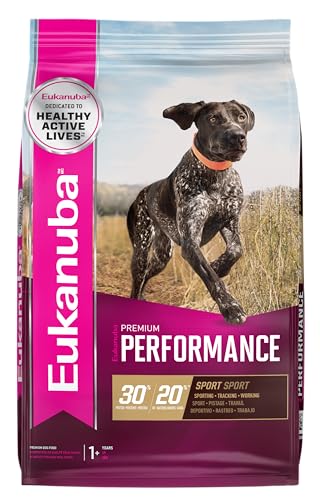
Our editorial team’s top overall pick for most adult Irish Setters is Royal Canin Large Adult Dry Dog Food, because it is formulated for large-breed adults (kibble shape and calorie density suited to bigger dogs), carries an AAFCO complete and balanced statement, and includes nutrients aimed at joint and digestive support that suit an active sporting breed. If your Setter has a sensitive stomach, Purina Pro Plan Sensitive Skin & Stomach may fit better. For a working or hard-running Setter, Eukanuba Premium Performance offers higher fat and calories. On a tighter budget, Diamond Naturals Large Breed Adult is a sensible value, and growing puppies should be on Hill’s Science Diet Large Breed Puppy. Always confirm the life stage matches your dog, and ask your veterinarian before changing diets for a medical condition.
What to consider for Dog Food For Irish Setter
The Irish Setter is a large, athletic gundog, typically around 60 to 70 pounds, with a deep chest and high energy drive. A few breed-relevant points shape food choice. First, deep-chested breeds carry a recognized risk of gastric dilatation-volvulus (bloat), so many owners feed measured meals rather than one large bowl and avoid heavy exercise right around mealtimes. This is a management habit, not a cure, so discuss any bloat concerns with your veterinarian.
Second, Setters are active sporting dogs, so calorie and fat needs are often higher than for a sedentary couch dog, but pet Setters that mostly lounge can gain weight, so portions should match real activity. Third, as a larger breed they benefit from formulas that support joints (glucosamine, chondroitin, or omega-3s) over a long life. Some Setters also show food sensitivities or coat and skin issues, where a limited or sensitive-stomach recipe can help. None of these are guarantees, and any persistent digestive, skin, or weight problem warrants a veterinary visit.
What to look for in a dog food
Look for an AAFCO complete and balanced statement matching the right life stage (adult maintenance for grown Setters, or a large-breed growth formula for puppies). The first ingredient should be a named meat such as chicken, lamb, beef, or salmon, not a vague “meat meal” with no animal named. For a typical adult Setter, sensible targets are often roughly 22 to 30 percent protein and 12 to 18 percent fat on a dry-matter basis, with calories matched to body condition rather than a fixed number. These are general ranges, not medical rules, and your dog’s ideal numbers depend on age, neuter status, and activity.
Because Setters are a larger breed, choose formulas suited to large or large-breed dogs, especially for puppies, where controlled calcium and calorie density help support steady skeletal growth. Joint support (glucosamine, chondroitin) and omega-3 fatty acids (often from fish oil or flaxseed) are reasonable extras for coat and joint health. When in doubt, your veterinarian can help you read a label against your individual dog’s needs.
How we chose these picks
- We prioritized formulas carrying an AAFCO complete and balanced statement for a clearly stated life stage.
- We favored recipes that list a named animal protein as the first ingredient.
- We matched picks to the Irish Setter’s size, activity level, and life stage rather than recommending one food for every dog.
- We checked that protein, fat, and calorie profiles were sensible for an active large breed.
- We looked for joint and omega support that benefits larger, athletic dogs over time.
- We compared using publicly available product information, ingredient panels, and manufacturer guidance, not personal or veterinary testing claims.
- We reviewed each brand against publicly posted FDA recall information at the time of writing.
- Never ranked a product higher just because it pays a commission.
What to avoid
- Foods that list an unnamed “meat meal” as the only protein source, with no animal species named on the label.
- Defaulting to grain-free or legume-heavy recipes without reason. The FDA investigation into a potential link between certain diets and canine dilated cardiomyopathy is ongoing and not resolved, so a grain-inclusive recipe is the safer default for most dogs unless your veterinarian advises otherwise.
- Feeding an “all life stages” food to a large-breed puppy, since growth-phase nutrient and calcium control matters for bigger breeds. Use a large-breed puppy formula instead.
- Abrupt diet switches. Transition over about 7 to 10 days, mixing increasing amounts of the new food, to reduce digestive upset in a deep-chested breed.
For more, browse our dog guides, our dog food roundups, and our dog nutrition articles for breed-specific feeding help.