Quick answer
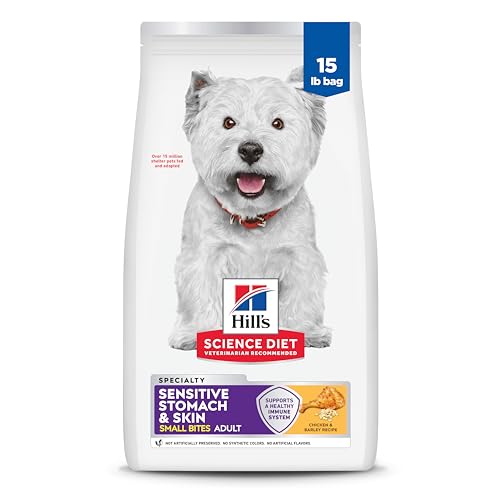
For most Lhasa Apsos, our top pick is Royal Canin Small Adult Dry Dog Food, because its small-breed kibble size, moderate calorie density, and named animal protein suit a low to moderate activity toy or small breed that is prone to weight gain. If your Lhasa has a touchy stomach, Hill’s Science Diet Small Paws Sensitive Stomach and Skin is a better fit. For a tighter budget, Diamond Naturals Small Breed Adult delivers a named meat first at a lower cost, and for a puppy under about one year, Purina Pro Plan Small Breed Puppy matches the growth life stage more correctly than an adult formula.
What to consider for Dog Food For Lhasa Apso
The Lhasa Apso is a small, long-lived breed that typically weighs about 12 to 18 pounds and is generally not highly athletic, so calorie needs are modest and the breed is prone to gradual weight gain if free-fed. Small jaws and small teeth mean a small kibble shape is easier to pick up and chew, and dental crowding makes a kibble that encourages chewing helpful, though it does not replace tooth brushing. The breed’s dense double coat is high maintenance, so foods with omega-3 and omega-6 fatty acids may support skin and coat condition. Lhasas can also be sensitive to diet changes and may have food-related skin or ear issues, which is why a single named protein and a steady, unhurried transition matter. As a breed that can live into its mid to late teens, weight control and consistent, complete nutrition over a long lifespan are central. None of this replaces veterinary advice. If your dog has a diagnosed condition, allergy, or you are considering a supplement, talk to your veterinarian first.
What to look for in a dog food
Look first for an AAFCO complete and balanced statement for the correct life stage, either adult maintenance for a grown Lhasa or growth for a puppy. A named meat as the first ingredient, such as chicken, lamb, or salmon, is a practical signal of quality, rather than an unnamed “meat meal” alone. As a general guide and not a medical rule, many small-breed adult maintenance foods sit around 22 to 30 percent protein and 12 to 18 percent fat on a dry-matter basis, with calorie density often near 350 to 420 calories per cup. Because the Lhasa is a small breed, choose small-breed kibble rather than a large-breed formula, since large-breed recipes are formulated for different growth and joint needs. Where relevant, omega-3 fatty acids from sources like fish oil or flaxseed may support skin, coat, and joint comfort, though benefits vary by dog. Your veterinarian can help you match exact protein, fat, and calorie targets to your individual dog’s age, weight, and health.
How we chose these picks
- We focused on small-breed or toy-breed formulas appropriate to a Lhasa Apso’s size and modest calorie needs.
- We required an AAFCO complete and balanced statement for a clearly stated life stage on each product.
- We favored recipes that list a named animal protein, such as chicken, lamb, or salmon, as the first ingredient.
- We compared publicly available ingredient lists, guaranteed analysis figures, and manufacturer feeding guidance rather than testing in a lab.
- We checked each brand against the FDA animal food recall and withdrawal listings at time of writing.
- We preferred grain-inclusive options as a sensible default given the ongoing FDA investigation into diet and canine dilated cardiomyopathy.
- We considered real owner-reported trade-offs, such as kibble size, palatability, and stool consistency, alongside the spec sheet.
- Never ranked a product higher just because it pays a commission.
What to avoid
- Foods that list only an unnamed “meat meal” as the protein source, with no named animal, since you cannot tell what you are feeding.
- Defaulting to grain-free or legume-heavy recipes without a reason. The FDA investigation into a potential link between certain diets and canine dilated cardiomyopathy is ongoing, and grain-inclusive food is the safer default unless your veterinarian advises otherwise.
- Feeding an all-life-stages food to a large-breed puppy. This is less of a concern for a small Lhasa, but all-life-stages formulas are not the right calcium and calorie balance for large-breed growth.
- Abrupt diet switches. Change foods gradually over about 7 to 10 days to reduce the risk of digestive upset, which Lhasas can be prone to.
For more breed-specific feeding help, browse our dog guides, our detailed dog food roundups, and our dog nutrition explainers.