Quick answer
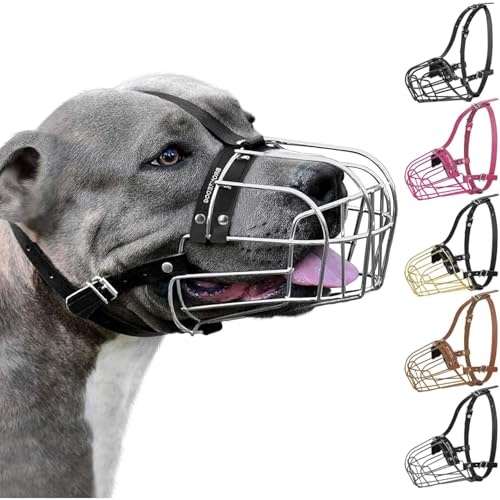
Our top pick is the Baskerville Ultra Muzzle because its rubber construction is gentle on thin coats while providing excellent ventilation and pant room. For dogs that need a lighter option, the Jafco Cozy Muzzle offers a soft mesh design that reduces friction. The Leerburg Metal Wire Basket Muzzle is best for extended wear and training sessions.
What to consider for Dog Muzzle For Dogs With Thin Coats
Dogs with thin coats (like Greyhounds, Whippets, and Boxers) have minimal padding between their skin and the muzzle. This makes them prone to chafing, pressure sores, and irritation from rough materials. Look for muzzles with smooth, rounded edges and soft padding on the nose bridge and chin strap. Basket-style muzzles are ideal because they allow panting and drinking while keeping the muzzle off the face. Avoid tight-fitting fabric muzzles that can rub and cause hair loss.
What to look for in a dog muzzle
Correct fit and sizing: Measure your dog’s snout circumference and length. A properly fitted muzzle should allow your dog to pant freely and take treats. Durable hardware and materials: Stainless steel or strong plastic buckles resist breakage. Safety features: Escape-resistant designs with a secure neck strap prevent removal. Comfort and padding: Soft neoprene or padded nose bands reduce pressure points. Ventilation: Open basket or mesh designs promote airflow and prevent overheating.
How we chose these picks
- Evaluated material smoothness and padding to minimize irritation on thin coats.
- Checked that each muzzle allows full panting and drinking for safety during exercise.
- Reviewed customer feedback for durability and ease of cleaning.
- Prioritized adjustable straps for a custom fit across different snout shapes.
- Considered escape-proof features like double straps or martingale loops.
- Selected muzzles suitable for various uses: training, vet visits, and walks.
- Never ranked a product higher just because it pays a commission.
What to avoid
- Ill-fitting sizes that are too tight or too loose, causing discomfort or escape.
- Flimsy clips that can break on strong dogs, leading to safety hazards.
- Aversive tools like prong collars or shock collars used without professional guidance.
- Retractable leashes near traffic, as they reduce control and can cause accidents.
For more dog care tips, visit our dog guides and check out dog health and dog care products sections.