Quick answer
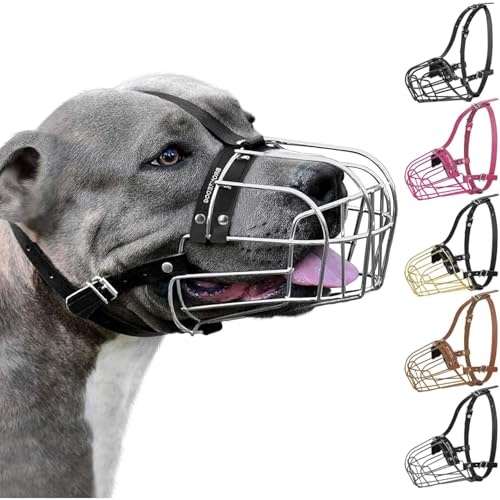
The best dog muzzle for Whippets is the Baskerville Ultra Muzzle because its basket design allows panting and drinking, essential for sighthounds. For a more customized fit, the Leerburg Wire Basket Muzzle offers adjustability. If you need a soft option for short-term use, the Good2Go Soft Muzzle is a budget-friendly choice.
What to consider for Dog Muzzle For Whippets
Whippets have long, narrow snouts and need a muzzle that allows full panting to regulate body temperature. A basket muzzle is ideal because it lets the dog open its mouth, drink, and take treats. Avoid fabric muzzles that restrict panting, as they can cause overheating. Measure the snout length, circumference, and width accurately. The muzzle should be snug but not tight, with room for the dog to yawn. Also consider escape resistance: Whippets can slip out of poorly fitted muzzles.
What to look for in a gear item (harness, collar, leash or muzzle)
For a muzzle, correct fit and sizing are critical: measure the snout length from the eye line to the tip, and the circumference at the widest part. Durable hardware and materials like coated wire or high-impact plastic ensure longevity. Safety features include escape-resistant design (e.g., a strap that goes behind the head) and reflective elements for visibility. Comfort and padding on the noseband and behind the ears prevent chafing. A no-pull design is not applicable to muzzles, but a properly fitted basket muzzle allows natural behaviors.
How we chose these picks
- Evaluated muzzle types that suit sighthound anatomy (basket vs. soft).
- Checked sizing availability for narrow, long snouts typical of Whippets.
- Prioritized designs that allow panting, drinking, and treat-taking.
- Assessed materials for durability and ease of cleaning.
- Considered safety features like escape-proof straps and reflective trim.
- Read customer feedback on fit for Whippets and similar breeds.
- Compared price points to offer options for different budgets.
- Never ranked a product higher just because it pays a commission.
What to avoid
- Ill-fitting sizes that are too tight or too loose; always measure your dog’s snout.
- Flimsy clips that can break under stress; look for sturdy buckles.
- Aversive tools like prong collars used without professional guidance.
- Retractable leashes near traffic; they reduce control and can cause injury.
For more guides, visit our dog guides and check out dog health and dog care products.