Quick answer
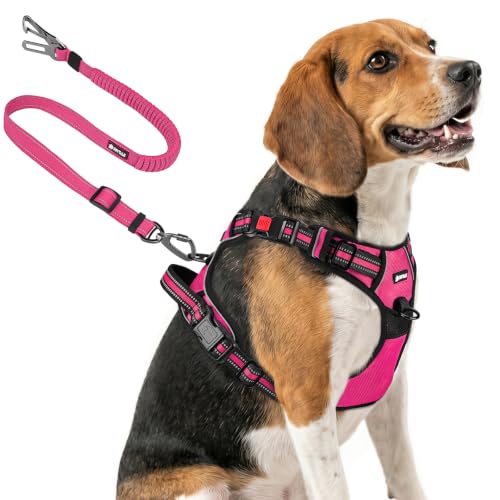
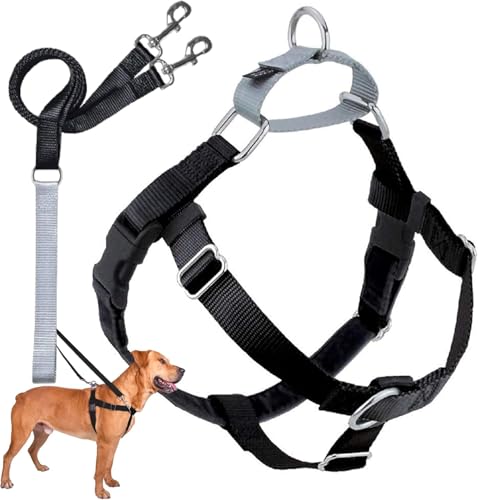
Our top pick is the Kurgo Tru-Fit Smart Harness with the Kurgo Car Tether because it combines crash-tested safety with a no-pull front clip and padded chest plate, ideal for German Shepherds. For a budget-friendly option, the Rabbitgoo No-Pull Harness with seat belt tether offers great value. If your dog tends to chew, the PetSafe Happy Ride Dog Seat Belt is a durable, chew-resistant choice.
What to consider for Dog Seat Belt For German Shepherds
German Shepherds are large, strong dogs that can generate significant force in a sudden stop. A seat belt must attach to a crash-tested harness, not a collar, to avoid neck injury. Look for a harness with a back D-ring that secures to a short tether (under 12 inches) to prevent roaming. The tether should have a heavy-duty clip and reinforced stitching. Measure your dog’s girth and neck accurately; many harnesses designed for large breeds fit German Shepherds, but check weight limits (typically 50 to 110 pounds). Also consider your car’s anchor point: some tethers use the LATCH system, others buckle into the seat belt receiver.
What to look for in a gear item (harness, collar, leash or muzzle)
Correct fit and sizing: Measure your German Shepherd’s chest girth and neck circumference. A well-fitted harness should be snug but allow two fingers to slide under straps. Durable hardware and materials: Look for metal clips (steel or zinc alloy) and reinforced webbing (nylon or polypropylene). Avoid plastic buckles on large dogs. Safety features: Escape-resistant design with a third strap or belly band. Reflective stitching for visibility. No-choke design with a front clip to discourage pulling. Comfort and padding: A padded chest plate and soft mesh lining prevent chafing during long rides. No-pull design: A front D-ring gives you better control without choking.
How we chose these picks
- Evaluated crash test data from reputable sources (Center for Pet Safety) where available.
- Checked customer reviews for fit on large breeds like German Shepherds.
- Assessed material quality: webbing strength, clip durability, and stitching.
- Considered ease of use: how quickly the harness can be put on and adjusted.
- Prioritized products with a front clip for no-pull training and a back clip for tethering.
- Compared price points to offer options for different budgets.
- Ensured each product is currently sold on Amazon with reliable availability.
- Never ranked a product higher just because it pays a commission.
What to avoid
- Ill-fitting sizes: a harness that is too loose can allow your dog to slip out; too tight can cause chafing or restrict breathing.
- Flimsy clips that fail on strong dogs: avoid plastic buckles or thin metal that can bend under pressure.
- Aversive tools used without professional guidance: choke chains, prong collars, or shock collars should only be used under the supervision of a certified trainer.
- Retractable leashes near traffic: they can break or allow your dog to run into danger; use a standard 4- to 6-foot leash for car exits.
For more tips, check our dog guides and dog care products and dog health sections.