Quick answer
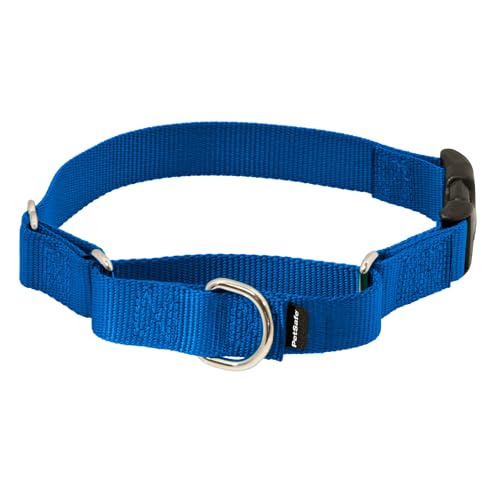
The best dog collar for Rottweiler puppies is the Blue-9 Multi-Function Buckle Collar. Its unique buckle design allows quick release and resists chewing, and it fits growing necks well. For a budget-friendly option, the PetSafe Nylon Martingale Collar is a solid choice, offering gentle control without choking. If you need a heavy-duty collar for a particularly strong pup, the Ruffwear Front Range Collar provides durability and reflective stitching.
What to consider for Dog Collar For Rottweiler Puppies
Rottweiler puppies are large-breed dogs with thick necks that grow rapidly. A collar must be adjustable to accommodate growth, typically from 12 to 20 inches. The material should be strong enough to withstand pulling without fraying, and hardware must be rust-resistant and sturdy. Because Rottweilers are prone to skin infections, choose a collar that is breathable and easy to clean. Also, consider a collar that allows for training attachments, such as a martingale loop, to prevent slipping out during walks.
What to look for in a gear item (collar)
Correct fit and sizing: Measure your puppy’s neck and add two fingers’ width for comfort. Look for collars with multiple adjustment holes or a martingale design that tightens slightly under pressure. Durable hardware and materials: Opt for nylon or leather with rust-proof buckles and D-rings. Avoid plastic clips that can break. Safety features: Reflective stitching or a breakaway buckle can prevent accidents. For martingale collars, ensure the control loop is not too tight. Comfort and padding: A padded collar can prevent chafing on a puppy’s sensitive skin. No-pull design: Martingale collars are effective for training without choking, but always use under supervision.
How we chose these picks
- Evaluated collar durability based on material and hardware quality.
- Checked adjustability range to fit growing Rottweiler puppies.
- Considered safety features like reflective elements and breakaway options.
- Reviewed customer feedback on fit and longevity for large breeds.
- Assessed ease of cleaning and resistance to odor.
- Compared price points to offer options for different budgets.
- Never ranked a product higher just because it pays a commission.
What to avoid
- Ill-fitting sizes: too loose can slip off, too tight can cause injury.
- Flimsy clips that fail on strong dogs; always check hardware.
- Aversive tools like prong collars used without professional guidance.
- Retractable leashes near traffic; they offer little control.
For more help, see our dog guides, dog care products, and dog nutrition sections.