Quick answer
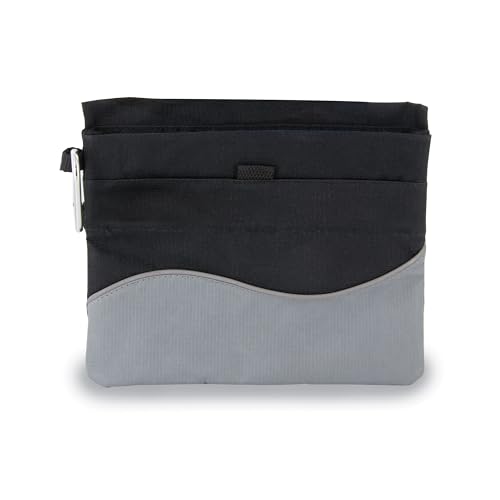
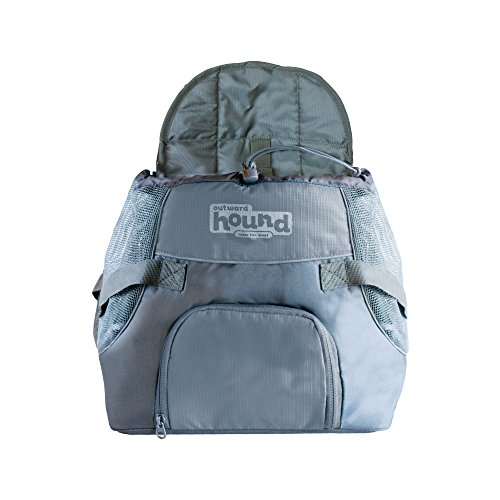
Our top pick for a winter walk training pouch is the Outward Hound Hipster Pet Carrier & Training Pouch. It offers a waterproof interior, a wide belt clip, and a magnetic closure for one-handed access. For budget-minded shoppers, the PetSafe Treat Pouch provides reliable performance at a lower price. If you need extra capacity for long hikes, the Kurgo Dog Training Pouch holds more treats and includes a built-in poop bag dispenser.
What to consider for Dog Training Pouch For Winter Walks
Winter walks present unique challenges: freezing temperatures can stiffen materials, snow and moisture can soak treats, and bulky gloves make small zippers or snaps frustrating. Look for a pouch with a waterproof or water-resistant lining to keep treats dry and prevent them from freezing into a clump. A magnetic or one-handed clip closure allows quick treat retrieval without removing gloves. The belt attachment should be sturdy enough to stay put when you’re wearing a thick coat or jacket. Also consider capacity: a pouch that holds 2 to 3 cups of treats is ideal for a long walk, but not so large that it bounces uncomfortably. Finally, choose a pouch that can be easily cleaned, as winter mud and slush can accumulate.
What to look for in a toy or chew (chew toy, puzzle, lick mat or dental chew)
When selecting a chew or toy for winter walks, prioritize size appropriate to your dog to prevent choking. Durability should match your dog’s chew strength: heavy chewers need tough rubber or nylon, while moderate chewers can enjoy softer materials. Always choose non-toxic materials free from BPA, phthalates, and lead. For dental chews, look for the VOHC seal, which indicates the product has been proven to reduce plaque and tartar. Genuine enrichment value comes from toys that challenge your dog mentally, such as puzzle toys that dispense treats or lick mats that encourage slow licking. Avoid items that can be easily destroyed and swallowed.
How we chose these picks
- Evaluated waterproofing and insulation claims to ensure treats stay dry and unfrozen.
- Assessed closure mechanisms for one-handed use with gloves on.
- Checked belt attachment compatibility with various coat thicknesses.
- Considered capacity and number of compartments for organizing treats, waste bags, and keys.
- Reviewed material quality and ease of cleaning.
- Compared price points to offer options for different budgets.
- Never ranked a product higher just because it pays a commission.
What to avoid
- Toys small enough to swallow or choke on; always choose a size larger than your dog’s mouth.
- Hard chews like antlers or bones that can crack teeth; opt for rubber or nylon alternatives.
- Falling-apart toys that shed pieces; avoid stuffed toys with loose parts for heavy chewers.
- Leaving a heavy chewer unsupervised with any chew; always monitor play.
For more guidance, check out our dog guides and explore dog care products or dog nutrition.