Quick answer
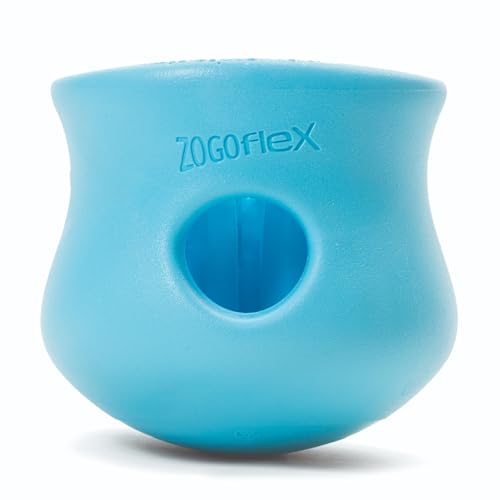
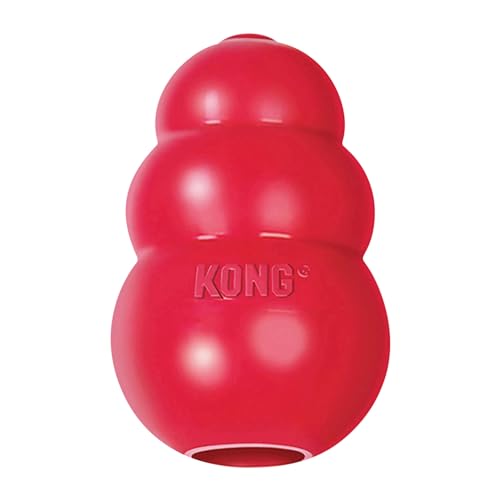
The KONG Classic Dog Toy is our top pick for slow feeding because its unpredictable bounce and hollow center can be stuffed with food, extending meal time. For heavy chewers, the West Paw Zogoflex Toppl offers durability and a unique shape that challenges dogs. The Outward Hound Fun Feeder Slo Bowl is a budget-friendly option that uses raised ridges to slow eating.
What to consider for Dog Whistle For Slow Feeding
When choosing a dog whistle for slow feeding, consider the size of your dog and the difficulty level. Whistles with adjustable pitch or multiple settings allow you to control the challenge. The material should be non-toxic and durable enough to withstand chewing. Some whistles are designed to be used with food puzzles, so check compatibility. Also, ensure the whistle is easy to clean to prevent bacterial buildup.
What to look for in a toy or chew (chew toy, puzzle, lick mat or dental chew)
Look for a size appropriate to your dog to avoid choking hazards. Durability should match your dog’s chew strength; aggressive chewers need tougher materials like rubber or nylon. Ensure the product is made from non-toxic materials and is free from harmful chemicals. For dental chews, the VOHC seal indicates effectiveness. Genuine enrichment value comes from toys that engage your dog mentally and physically, such as puzzle toys that dispense treats.
How we chose these picks
- We analyzed product specifications and customer reviews from multiple retailers.
- We prioritized products with a focus on slow feeding and enrichment.
- We considered durability based on material and construction.
- We evaluated safety features, including non-toxic materials and size options.
- We looked for ease of cleaning and maintenance.
- We selected products from reputable brands known for pet safety.
- We considered price to offer options for different budgets.
- Never ranked a product higher just because it pays a commission.
What to avoid
- Avoid toys small enough to be swallowed or cause choking.
- Stay away from hard chews that can crack teeth, like real bones or antlers.
- Do not choose toys that fall apart easily, shedding pieces that could be ingested.
- Never leave a heavy chewer unsupervised with a new toy until you are confident it is safe.
For more help, check out our dog guides, dog food, and dog health resources.