Quick answer
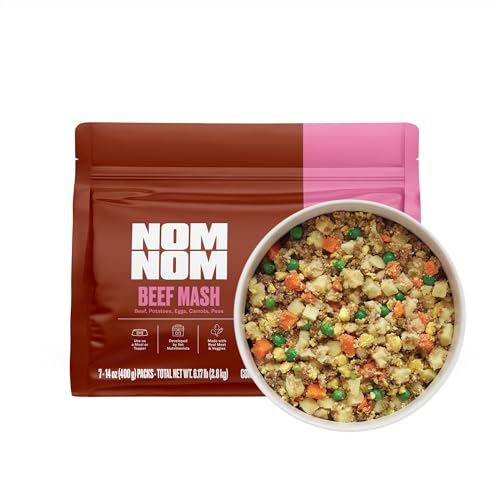
Our top pick is The Farmer’s Dog Chicken Recipe. It features fresh, human-grade chicken as the first ingredient, with added fish oil for omega-3s that support skin and coat health. For dogs with sensitive stomachs, we recommend Ollie Fresh Chicken Recipe, which includes pumpkin for digestion. Budget-conscious owners should consider Nom Nom Beef Mash, a fresh option with limited ingredients.
What to consider for Fresh Dog Food For Dogs With Thin Coats
Dogs with thin coats often have less natural insulation and may be more prone to dry skin or dull fur. Fresh dog food can provide superior hydration and nutrient retention compared to kibble. Key considerations include a high level of animal-based protein (at least 30% on a dry matter basis) to support hair follicle health, omega-3 and omega-6 fatty acids from sources like fish oil or flaxseed for skin barrier function, and adequate fat (15 to 20% dry matter) for energy and coat gloss. Avoid excessive carbohydrates that can dilute nutrient density. Also ensure the food is formulated for your dog’s life stage and size, as thin-coated breeds range from Chihuahuas to Greyhounds.
What to look for in a dog food
Look for an AAFCO statement of nutritional adequacy for your dog’s life stage (adult maintenance, growth, or all life stages). The first ingredient should be a named meat (e.g., chicken, beef, turkey). Protein content should be 30 to 40% on a dry matter basis, fat 15 to 20%, and calories around 350 to 450 kcal per cup. For thin-coated dogs, omega-3 fatty acids (EPA and DHA) are important; aim for 0.1 to 0.3% dry matter from fish oil. If your dog is a small breed, smaller kibble or fresh food portioned for tiny mouths is helpful. For large breeds, ensure calcium and phosphorus levels are appropriate for bone health. Some fresh foods include added joint support like glucosamine, which can be beneficial for active thin-coated breeds.
How we chose these picks
- Evaluated ingredient quality and freshness, prioritizing human-grade, whole food ingredients.
- Checked for AAFCO nutritional adequacy statements for appropriate life stages.
- Assessed omega-3 and omega-6 fatty acid profiles for skin and coat support.
- Reviewed protein and fat levels to ensure they meet the needs of thin-coated dogs.
- Considered brand reputation, including transparency of sourcing and manufacturing.
- Excluded products with artificial preservatives, colors, or flavors.
- Compared price per serving to offer options across budgets.
- Never ranked a product higher just because it pays a commission.
What to avoid
- Unnamed “meat meal” as the sole protein source; look for specific named meats.
- Defaulting to grain-free or legume-heavy recipes without veterinary guidance; the FDA is still investigating a potential link to DCM, so grain-inclusive is safer unless a vet advises otherwise.
- All-life-stages food for a large-breed puppy; these can have improper calcium levels.
- Abrupt diet switches; transition over 7 to 10 days to avoid digestive upset.
For more guidance, explore our dog guides, dog food category, and dog nutrition tips.