Quick answer
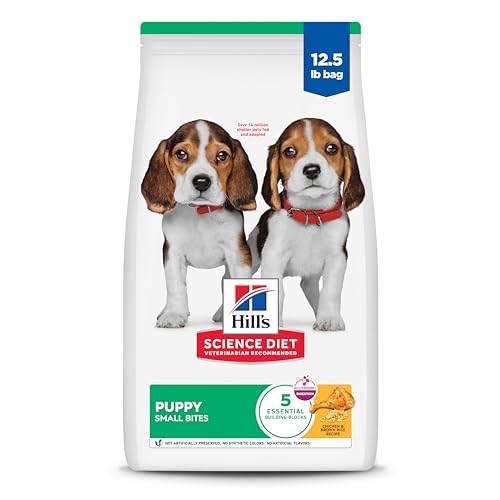
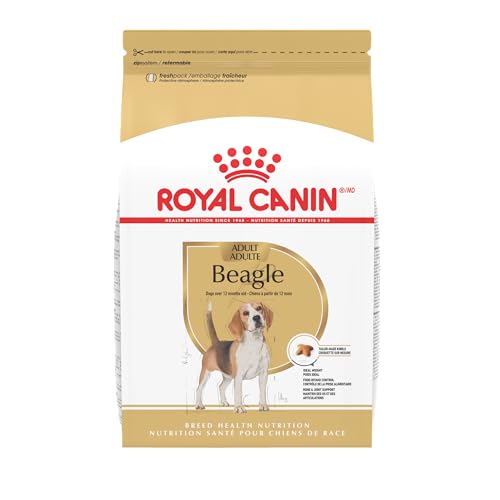
For most adult Beagles, our top pick is Royal Canin Beagle Adult Dry Dog Food, a breed-specific formula sized and shaped for a Beagle’s jaw and built around moderate calories to fight the weight gain this breed is famous for. If your Beagle has a touchy stomach or loose stools, Purina Pro Plan Sensitive Skin & Stomach is a better fit. On a tight budget, Diamond Naturals Small & Medium Breed Adult delivers solid nutrition for less. For a growing puppy, choose Hill’s Science Diet Puppy Small Bites, and for an ingredient-conscious, by-product-free option, look at Wellness Complete Health Small Breed.
Why Beagles need the right food
Beagles are a small to medium hound, typically 20 to 30 pounds, bred to hunt by scent with serious stamina. That history matters at the bowl. Their single biggest issue is obesity: Beagles are relentlessly food-motivated, will counter-surf and beg, and are repeatedly listed among the breeds most prone to becoming overweight. Extra pounds worsen joint stress and can contribute to intervertebral disc problems in their long-backed frame.
This breed also has notable predispositions worth feeding around. Many Beagles develop food and environmental allergies that show up as itchy skin and ear infections, so a limited, clearly labeled ingredient list helps. Some lines carry a risk of hypothyroidism, which slows metabolism and makes portion discipline even more important. As a smaller-mouthed breed, dental tartar builds up easily, so kibble size and shape and regular dental care both matter. Coat is short but does shed; adequate quality protein and omega fatty acids support skin and coat. Energy needs are real in a working, active Beagle but drop sharply in a sofa-bound senior, so portions should track activity, not a fixed habit.
What to look for in a Beagle food
Start with a named animal protein as the first ingredient (chicken, lamb, fish, or a named meal) and moderate fat to keep calories in check. A practical target for an active adult is roughly 22 to 26 percent protein and a controlled fat level, but body condition matters more than any single number on the bag. Look for a clear AAFCO statement that the food is complete and balanced for the right life stage. Smaller kibble suits a Beagle’s mouth and encourages chewing rather than gulping. For allergy-prone dogs, a short ingredient list or a single novel protein makes elimination easier. Added omega-3 fatty acids (from fish oil or flax) support skin and coat, and joint support like glucosamine is a reasonable bonus for an active hound. Above all, the bag should give honest calorie content (kcal per cup) so you can portion accurately.
Find the right food for your dog’s needs
The picks above suit a healthy adult Beagle. For a specific life stage or health need, use these focused guides.
- Puppies: see our guide to the best Beagle food for puppies.
- Seniors: see our guide to the best Beagle food for senior dogs.
- Sensitive stomachs: see our guide to the best Beagle food for sensitive stomachs.
- Skin allergies: see our guide to the best Beagle food for skin allergies.
Which food type is best?
Dry, wet, fresh, raw and dehydrated foods can all work for a Beagle. The right one depends on your budget, your dog’s preferences and any health needs.
- Dry: most economical and convenient, and the crunch helps clean teeth.
- Wet: higher moisture and often more palatable, useful for fussy eaters or as a topper.
- Fresh and gently cooked: minimally processed with recognisable ingredients, at a higher cost.
- Raw and freeze-dried raw: high protein and minimally processed; handle safely and ask your vet first.
Getting the best value
The cheapest bag is not always the best value. A quality food that keeps your Beagle lean, with a healthy coat and firm stools, often means fewer vet visits. Feed to a healthy body condition rather than the bag maximum, and choose a recipe built around quality animal protein.
How we chose these foods
- We compared publicly available label data, guaranteed analysis, and AAFCO statements rather than relying on marketing claims.
- We prioritized formulas sized for small to medium breeds, matching a Beagle’s frame and calorie needs.
- We favored named animal proteins as the first ingredient and clearly disclosed ingredient lists.
- We weighted calorie transparency (kcal per cup) heavily because Beagles gain weight so easily.
- We checked each brand against the FDA animal food recall list and excluded formulas with unresolved safety concerns.
- We treated grain-inclusive diets as the safer default given the ongoing FDA DCM investigation, unless a vet advises otherwise.
- We looked for established manufacturers that employ qualified nutritionists and run feeding-data reviews or meet AAFCO profiles.
- We considered real owner-reported trade-offs, like palatability and stool quality, alongside the nutrition.
- Never ranked a food higher just because it pays a commission.
Foods to avoid or feed with care
- Calorie-dense, high-fat performance formulas meant for hard-working sled or sport dogs, which can pack weight onto a typical pet Beagle fast.
- Unlimited free-feeding, since a food-driven Beagle will simply keep eating; measured meals are safer.
- Grain-free or heavily legume-based diets as a default, because the FDA has investigated reports of canine DCM in dogs eating certain diets, especially some grain-free or legume-heavy formulas, and is still gathering information.
- Foods with vague ingredient labels (“animal fat”, “meat meal”) that make allergy troubleshooting difficult.
- Frequent rich table scraps and fatty treats, which add hidden calories and can trigger stomach upset in a sensitive Beagle.
- Any recalled lot: always cross-check the bag against current FDA recall notices before buying.
For more, browse our dog food guides, our dog nutrition articles, and our dog health resources.