Quick answer
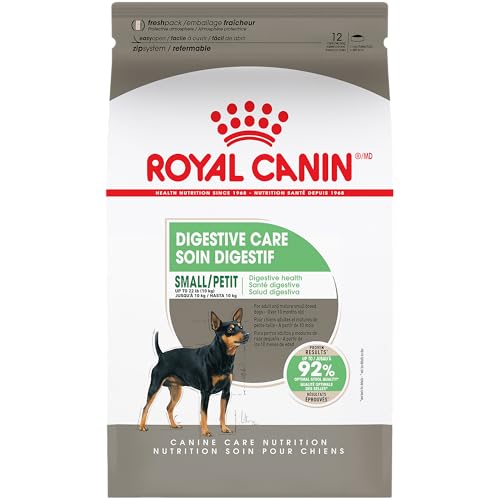
Our editorial team recommends Purina Pro Plan Sensitive Skin & Stomach Salmon & Rice Formula as the best high protein dog food for dogs with sensitive paws. It offers 26% protein from real salmon, plus omega-6 fatty acids and zinc to support skin and paw health. For a grain-inclusive budget option, consider Diamond Naturals Skin & Coat Formula. For puppies with sensitive paws, Royal Canin Puppy Sensitive Digestion is a strong choice.
What to consider for High Protein Dog Food For Dogs With Sensitive Paws
Dogs with sensitive paws often have underlying food sensitivities or environmental allergies that manifest as paw licking, redness, or irritation. A high-protein diet can be beneficial, but the protein source must be novel or limited to avoid triggering reactions. Omega-3 and omega-6 fatty acids are crucial for skin barrier health and reducing inflammation. Additionally, zinc and biotin support hoof and paw pad integrity. Avoid common allergens like chicken, beef, or grains if your dog has known sensitivities. Always consult your veterinarian before making dietary changes.
What to look for in a dog food
Look for an AAFCO statement confirming the food is complete and balanced for your dog’s life stage (puppy, adult, or senior). The first ingredient should be a named meat protein (e.g., salmon, lamb, or venison). A protein content of 25 to 30% is generally appropriate for active adult dogs, but puppies and working breeds may need up to 30 to 35%. Fat content should be around 12 to 18% for energy, and calories should match your dog’s activity level (typically 300 to 400 kcal per cup). For large breeds, ensure calcium and phosphorus levels are appropriate for growth. Omega fatty acids, glucosamine, and chondroitin can support joint and paw health.
How we chose these picks
- Evaluated protein sources for allergen potential and novelty
- Selected foods with added omega fatty acids for skin and coat health
- Checked for limited ingredient or single protein options to reduce allergy risk
- Verified AAFCO nutritional adequacy for the intended life stage
- Prioritized brands with strong quality control and safety records
- Considered kibble size and shape for small vs. large breeds
- Read ingredient lists to avoid artificial additives and common fillers
- Never ranked a product higher just because it pays a commission
What to avoid
- Unnamed “meat meal” as the only protein source, which may contain mixed allergens
- Defaulting to grain-free or legume-heavy recipes without veterinary guidance, as the FDA DCM investigation is ongoing
- All-life-stages food for a large-breed puppy, as it may have improper calcium levels
- Abrupt diet switches; transition over 7 to 10 days to avoid digestive upset
For more guidance, explore our dog guides and check out dog food and dog health resources.