Quick answer
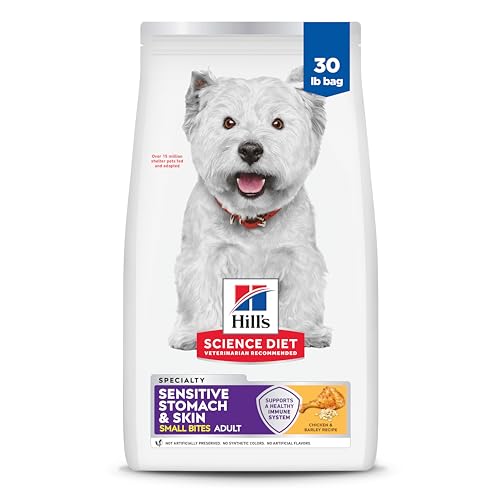
Our top pick is Purina Pro Plan High Protein with Probiotics, which combines high-quality chicken protein with live probiotics to support digestive health and firm stools. For dogs with sensitive stomachs, Hill’s Science Diet Sensitive Stomach & Skin is an excellent runner-up. Budget-conscious owners should consider Diamond Naturals High Protein, while Royal Canin Gastrointestinal High Fiber offers a veterinary diet option.
What to consider for High Protein Dog Food For Loose Stools
Loose stools in dogs can stem from dietary indiscretion, food sensitivities, or underlying health issues. A high protein diet can help by providing highly digestible protein sources that reduce undigested material in the colon. However, the protein must be paired with adequate fiber (both soluble and insoluble) to add bulk and absorb excess water. Prebiotics and probiotics support a healthy gut microbiome. Always consult your veterinarian before changing diets, especially if loose stools persist.
What to look for in a dog food
Choose a food that is AAFCO complete and balanced for your dog’s life stage (puppy, adult, senior). Look for a named meat protein as the first ingredient (e.g., chicken, lamb, salmon). Protein content should be between 25% and 35% on a dry matter basis, with moderate fat (12% to 18%) and controlled calories to avoid obesity. For large breeds, ensure calcium levels are appropriate. Added fiber sources like beet pulp, pumpkin, or chicory root help stool formation. Omega-3 fatty acids from fish oil support skin and coat health, while glucosamine and chondroitin benefit joint health in active dogs.
How we chose these picks
- Evaluated ingredient quality and digestibility of protein sources
- Checked for inclusion of prebiotics, probiotics, and fiber
- Reviewed nutritional adequacy statements for appropriate life stages
- Considered brand reputation and manufacturing standards
- Analyzed customer feedback on stool quality improvements
- Compared price per pound to ensure value
- Consulted veterinary nutrition guidelines for digestive health
- Never ranked a product higher just because it pays a commission
What to avoid
- Unnamed meat meals (e.g., poultry meal) as the primary protein source
- Grain-free or legume-heavy recipes without veterinary advice, due to ongoing FDA DCM investigation
- All-life-stages food for large-breed puppies (calcium levels may be inappropriate)
- Abrupt diet switches; transition over 7 to 10 days to prevent digestive upset
For more guidance, explore our dog guides, dog food, and dog health sections.