Quick answer
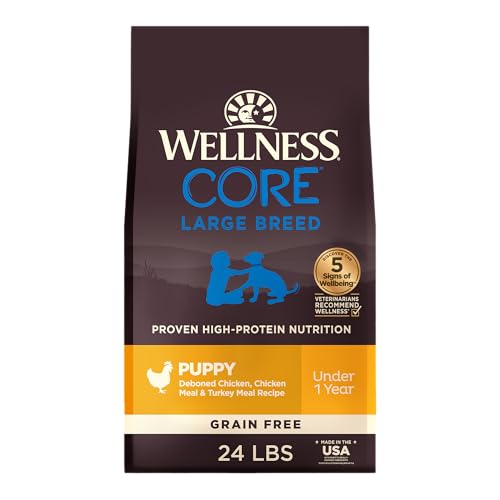
For most puppies with sensitive stomachs, our editorial team recommends Purina Pro Plan Puppy Sensitive Skin & Stomach Salmon & Rice Formula. It provides 28% protein from a single animal source and prebiotic fiber for digestive health. If your puppy needs even higher protein, Wellness CORE Grain-Free Puppy offers 34% protein but may not suit all sensitive tummies. Always transition slowly and consult your veterinarian.
What to consider for High Protein Dog Food For Puppies With Sensitive Stomachs
Puppies require more protein per pound than adult dogs to support rapid growth and development. However, a sensitive stomach can react poorly to high-protein diets if the protein source is hard to digest or if the recipe includes too much fat or fiber. The key is choosing a limited-ingredient or easily digestible protein like salmon, lamb, or chicken, and ensuring the food is complete and balanced for the puppy life stage. Avoid formulas with artificial additives, excessive legumes, or unnamed meat meals.
What to look for in a dog food
First, verify the food has an AAFCO statement confirming it is complete and balanced for growth (puppies). Look for a named meat as the first ingredient (e.g., chicken, salmon, lamb). Protein content should typically range from 25% to 35% on a dry matter basis; fat around 15% to 20%; and calories between 350 and 450 kcal per cup. For large-breed puppies, ensure the food meets large-breed growth guidelines (lower calcium, controlled energy). Omega-3 fatty acids (DHA) support brain and eye development, and probiotics or prebiotic fiber aid digestion. Avoid foods with unspecified meat meals or high levels of peas and legumes.
How we chose these picks
- We analyzed ingredient lists for named proteins and digestible carbohydrates.
- We prioritized foods with AAFCO growth certification.
- We considered protein and fat levels appropriate for puppies.
- We evaluated the inclusion of DHA and probiotics for puppy development and gut health.
- We reviewed customer feedback for palatability and reported digestive issues.
- We selected products from reputable manufacturers with strong quality control.
- We looked for options across price points to suit different budgets.
- Never ranked a product higher just because it pays a commission.
What to avoid
- An unnamed “meat meal” as the only protein source; it could be from unknown species or by-products.
- Defaulting to grain-free or legume-heavy recipes. The FDA DCM investigation is ongoing; grain-inclusive is the safer default unless a vet advises otherwise.
- All-life-stages food for a large-breed puppy; it may have improper calcium and energy levels.
- Abrupt diet switches; always transition over 7 to 10 days to avoid gastrointestinal upset.
For more guidance, browse our dog guides, dog food, and dog nutrition resources.