Quick answer
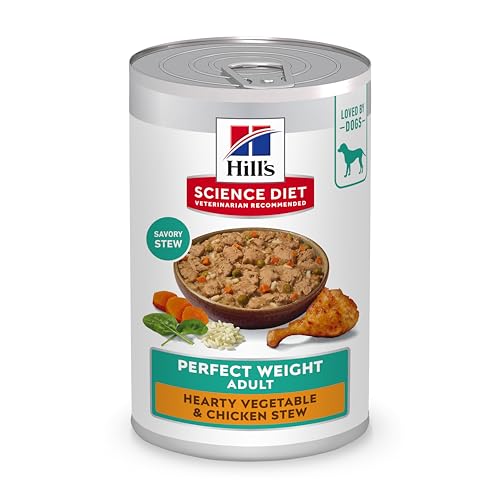
Our top pick is Purina Pro Plan Weight Management Chicken & Rice Formula. It offers high protein (30%) with moderate fat (12%) and 339 kcal/cup, helping dogs feel full while losing weight. For dogs with sensitive stomachs, Hill’s Science Diet Perfect Weight is a great alternative with added fiber. Budget-conscious owners should consider Diamond Naturals Light & Fit.
What to consider for High Protein Dog Food For Weight Loss
Weight loss in dogs requires a calorie deficit, but high protein helps preserve lean muscle mass during the process. Look for a food with at least 30% protein (on a dry matter basis) and moderate fat (10-15%) to keep calories in check. Fiber content (5-10%) aids satiety. Ensure the food is AAFCO complete and balanced for adult maintenance or all life stages. Avoid foods with excessive carbohydrates or fillers. Consult your veterinarian to determine your dog’s ideal weight and daily calorie target.
What to look for in a dog food
First, verify the food has an AAFCO statement indicating it is complete and balanced for your dog’s life stage. The first ingredient should be a named meat (e.g., chicken, beef, salmon) or meat meal. Protein content should be around 30-40% for weight loss, fat 10-15%, and fiber 5-10%. Calorie density should be under 350 kcal per cup. For large breed dogs, ensure calcium and phosphorus levels are appropriate. Added glucosamine and omega-3 fatty acids can support joints and skin health during weight loss.
How we chose these picks
- Analyzed guaranteed analysis and ingredient lists for protein, fat, fiber, and calorie content.
- Prioritized named meat sources as the first ingredient.
- Selected products with AAFCO nutritional adequacy statements for adult maintenance.
- Evaluated brand reputation and manufacturing quality standards.
- Considered price per pound and value for money.
- Read customer reviews for palatability and weight loss results.
- Checked for inclusion of joint support supplements like glucosamine.
- Never ranked a product higher just because it pays a commission.
What to avoid
- Avoid foods with unnamed “meat meal” or “poultry meal” as the sole protein source; look for named meals like “chicken meal.”
- Be cautious with grain-free or legume-heavy recipes due to the FDA investigation into a potential link with canine DCM. Grain-inclusive formulas are a safer default unless your vet advises otherwise.
- Do not feed an “all life stages” food to a large-breed puppy, as it may have improper calcium levels.
- Avoid abrupt diet changes; transition over 7-10 days to prevent digestive upset.
For more dog care tips, check out our dog guides, dog food reviews, and dog nutrition articles.