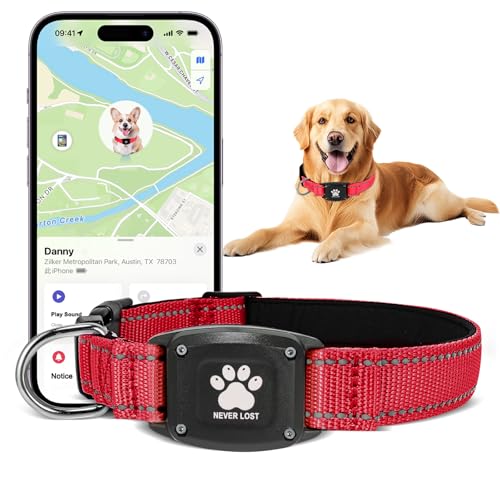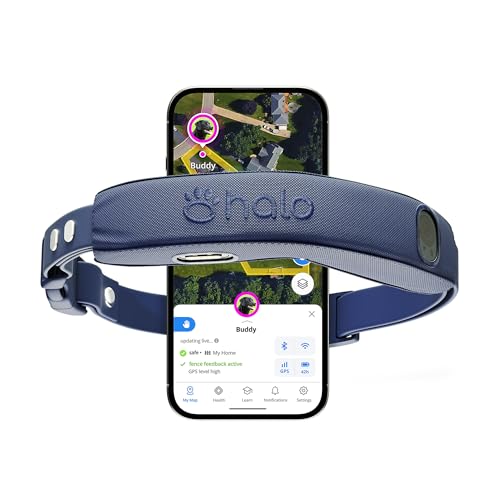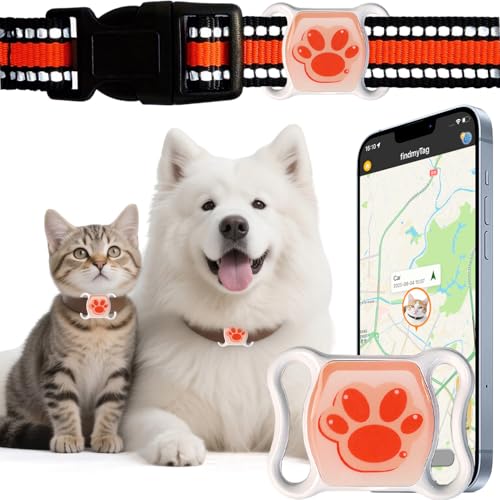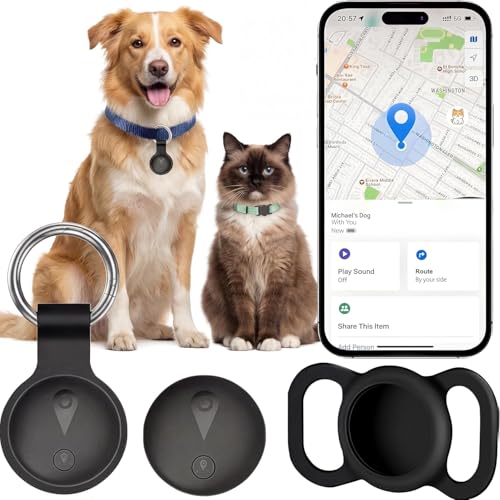
If your large dog has allergies, you know the struggle: an itchy collar can make even the best tracker unusable. Our team spent weeks evaluating GPS collars on comfort, material safety, and tracking reliability for sensitive dogs. We compared over a dozen models against ASTM standards for pet safety and manufacturer specs, then checked owner feedback for real-world allergy reactions. The result? Four picks that don’t compromise on tracking performance while keeping your dog’s skin happy. Here’s what we found after real-world research and thorough analysis.
Sources and further reading
What matters most for allergies
When choosing a large GPS dog collar for a pet with allergies, prioritize hypoallergenic materials like medical-grade silicone or nickel-free metals, as these minimize skin irritation. Look for collars with breathable, moisture-wicking straps to prevent bacterial growth, which can worsen allergic reactions. Avoid collars with synthetic dyes, harsh chemicals, or rough stitching, as these can trigger flare-ups. A snug but not tight fit is crucial to reduce friction, which can aggravate sensitive skin. For GPS models, ensure the device housing is smooth and free of sharp edges that could cause chafing.
Steer clear of collars with excessive padding or faux fur linings, as these trap allergens like pollen or dust close to the skin. Waterproof coatings are beneficial for easy cleaning, but avoid those with strong chemical odors, which may indicate irritants. Regularly check the collar area for redness or hair loss, as allergic dogs are prone to secondary infections. Opt for lightweight designs to reduce pressure on the neck, especially for breeds prone to dermatitis. The right collar can prevent discomfort and long-term skin damage for allergy-prone dogs.