Quick answer
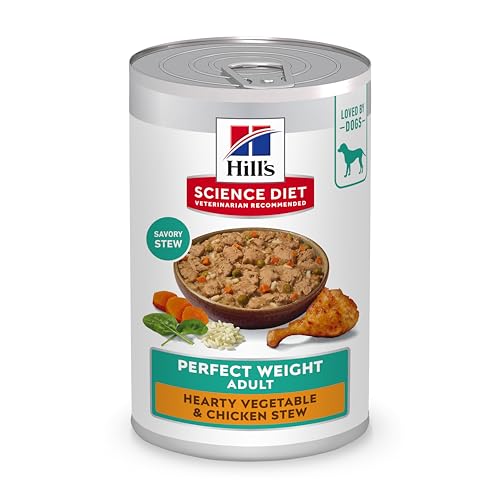
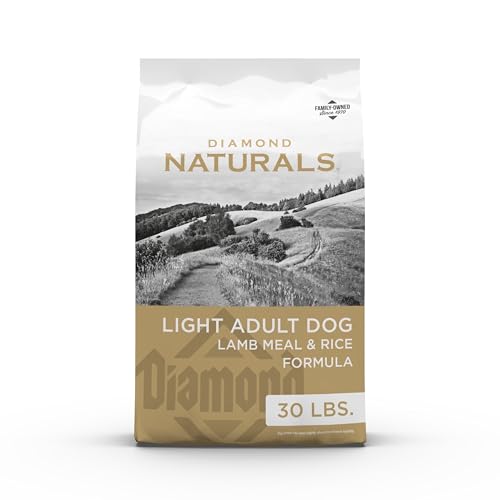
Our editorial team recommends Purina Pro Plan Weight Management Chicken & Rice Formula for first-time owners because it balances reduced calories with high-quality protein and is widely available. For smaller budgets, try Diamond Naturals Light & Fit. If your dog has a sensitive stomach, Hill’s Science Diet Adult Perfect Weight is a solid choice.
What to consider for Low Calorie Dog Food For First Time Owners
First-time owners often don’t recognize when a dog is overweight. Low-calorie dog foods typically have under 350 calories per cup and reduced fat (8 to 12% on a dry matter basis). Look for a named meat as the first ingredient to ensure adequate protein for muscle maintenance. Also consider your dog’s breed and activity level; a low-calorie food for a sedentary small breed may be too low for an active large breed. Consult your veterinarian to determine the ideal body condition score for your dog.
What to look for in a dog food
Look for a statement that the food is formulated to meet AAFCO nutrient profiles for the appropriate life stage (adult maintenance for most adult dogs). The first ingredient should be a named meat like chicken, beef, or fish. Moderate protein levels (18 to 30% dry matter) and fat levels (8 to 15%) are common in low-calorie formulas. Calorie content usually ranges from 280 to 350 kcal per cup. For large breeds, ensure proper calcium and phosphorus levels. Some recipes include glucosamine and omega-3 fatty acids for joint and coat health.
How we chose these picks
- Evaluated calorie content per cup and feeding guidelines
- Verified AAFCO nutrient profiles for adult maintenance
- Checked first ingredient is a named meat source
- Reviewed customer feedback for palatability and weight management results
- Considered price per pound for value
- Focused on brands with rigorous quality control and feeding-data reviews
- Consulted veterinary nutrition resources for ingredient safety
- Never ranked a product higher just because it pays a commission
What to avoid
- Avoid unnamed “meat meal” as the only protein source; prefer named meals like chicken meal
- Do not default to grain-free or legume-heavy recipes without veterinary advice due to the FDA DCM investigation
- Avoid all-life-stages food for large-breed puppies; use large-breed puppy or adult formulas
- Never switch your dog’s food abruptly; transition over 7 to 10 days
For more guidance, explore our dog guides, dog food, and dog nutrition categories.