Quick answer
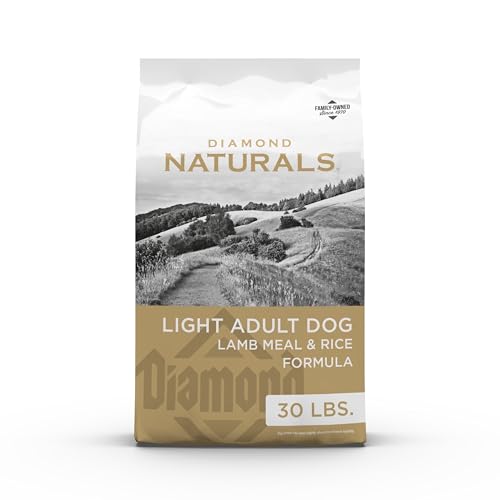
Our top pick is Hill’s Science Diet Adult Perfect Weight, which provides balanced nutrition with controlled fat to help your dog gain lean muscle without excess calories. For dogs with sensitive stomachs, consider Purina Pro Plan Sensitive Skin & Stomach Salmon & Rice Formula. If you’re on a budget, Diamond Naturals Lean & White Rice Formula offers quality ingredients at a lower price.
What to consider for Low Fat Dog Food For Weight Gain
When choosing a low fat dog food for weight gain, focus on high-quality protein sources to build muscle, moderate fat levels to keep calories in check, and added fiber for satiety. Look for named meat as the first ingredient, such as chicken or salmon, and ensure the food meets AAFCO standards for your dog’s life stage. Avoid fillers like corn and soy, and consider your dog’s specific health needs, such as allergies or digestive issues.
What to look for in a dog food
Look for an AAFCO complete and balanced statement for the correct life stage (adult maintenance or all life stages). The first ingredient should be a named meat (e.g., chicken, lamb). Ideal protein levels are 25 to 30 percent, fat around 8 to 12 percent, and calories between 300 to 400 kcal per cup. For large breeds, ensure calcium and phosphorus are within safe limits. Joint support (glucosamine, chondroitin) and omega fatty acids are beneficial for overall health.
How we chose these picks
- Evaluated ingredient quality and named protein sources.
- Checked fat and calorie content against our established ranges.
- Reviewed AAFCO statements and life stage appropriateness.
- Considered brand reputation and history of safety.
- Assessed value for money, comparing price per pound.
- Read customer feedback on palatability and weight gain results.
- Consulted veterinary nutrition guidelines for low fat diets.
- Never ranked a product higher just because it pays a commission.
What to avoid
- Avoid unnamed “meat meal” as the sole protein source; look for named meals like chicken meal.
- Default to grain-inclusive recipes unless your vet advises grain-free due to the ongoing FDA investigation into a potential link between grain-free diets and canine dilated cardiomyopathy.
- Do not feed all-life-stages food to large-breed puppies; choose a large-breed puppy formula.
- Gradually transition to new food over 7 to 10 days to avoid digestive upset.
For more guidance, check our dog guides and explore dog food and dog health resources.