Quick answer
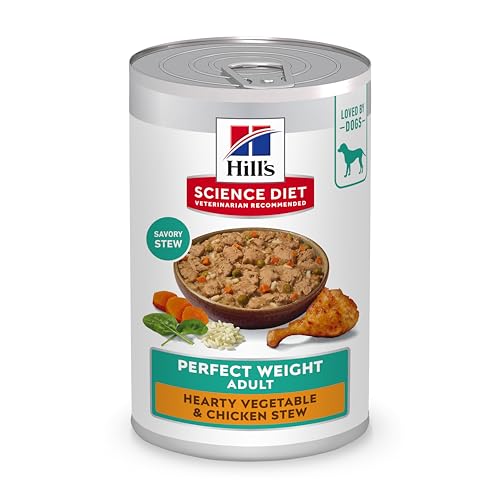
The best low fat dog food for winter walks is Hill’s Science Diet Adult Perfect Weight, which offers controlled calories and L-carnitine to help maintain a healthy weight while keeping your dog energized for walks. If your dog has a sensitive stomach, Purina Pro Plan Sensitive Skin & Stomach Salmon & Rice is a great alternative with lower fat and easy digestion.
What to consider for Low Fat Dog Food For Winter Walks
Winter walks require extra energy and joint support. A low fat diet helps prevent weight gain when activity levels may drop due to cold weather. Look for a food with moderate protein (20 to 30 percent) and fat (8 to 15 percent) to provide energy without excess calories. Added glucosamine and chondroitin support joint health, while omega-3 fatty acids from fish oil help maintain a healthy coat and reduce inflammation. Also consider the kibble size for your dog’s breed and ensure the food is AAFCO complete and balanced for your dog’s life stage.
What to look for in a dog food
First, check for an AAFCO statement confirming the food is complete and balanced for your dog’s life stage (adult maintenance, all life stages, etc.). A named meat source (e.g., chicken, lamb, salmon) should be the first ingredient. Protein should be between 20 and 30 percent, fat between 8 and 15 percent, and calories around 300 to 400 kcal per cup. For large breeds, ensure the food meets large breed guidelines for calcium and phosphorus. Added joint supplements like glucosamine and chondroitin are beneficial for winter walks. Omega-3 fatty acids from fish oil or flaxseed support skin and coat health.
How we chose these picks
- Analyzed guaranteed analysis and ingredient lists for low fat content (below 15 percent crude fat).
- Verified AAFCO nutritional adequacy statements for adult maintenance or all life stages.
- Selected foods with named meat as the first ingredient and no artificial preservatives.
- Considered added joint support ingredients like glucosamine and chondroitin.
- Evaluated calorie density to support weight management during winter.
- Included options for different budgets and dietary sensitivities.
- Reviewed brand reputation and manufacturing quality standards.
- Never ranked a product higher just because it pays a commission.
What to avoid
- Avoid foods with unnamed “meat meal” as the sole protein source; look for named meats like chicken meal or salmon meal.
- Do not default to grain-free or legume-heavy recipes unless advised by your veterinarian, as the FDA continues to investigate a potential link between these diets and canine dilated cardiomyopathy (DCM). Grain-inclusive formulas are generally a safer choice.
- Steer clear of “all life stages” foods for large-breed puppies, as they may contain too much calcium and phosphorus, which can affect bone development.
- Never switch your dog’s food abruptly; transition over 7 to 10 days by gradually mixing the new food with the old to avoid digestive upset.
For more guidance, explore our dog guides, dog food reviews, and dog nutrition tips.